


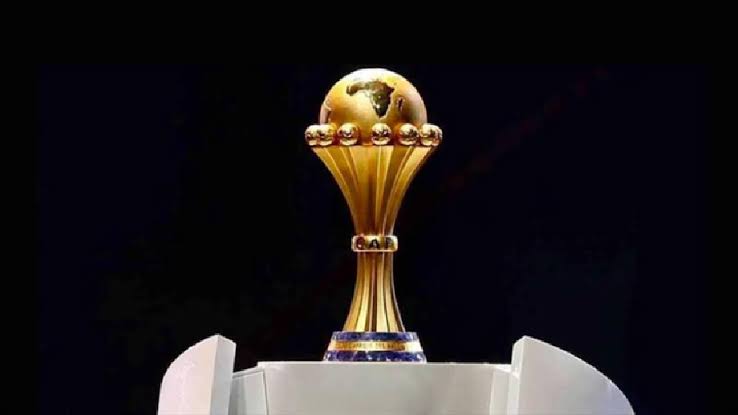
The Confederation of African Football (CAF) has decided against expanding the Africa Cup of Nations (AFCON) from 24 to 28 teams, ending a proposal that would have reshaped the continent’s flagship international tournament from the 2028 edition onward.
The recommendation, first presented by CAF president Patrice Motsepe in February during a press conference in Dar es Salaam, failed to secure the backing of the federation’s Executive Committee after a vote.
The decision keeps AFCON at its current 24-team format, which was introduced in 2019. According to executive committee members who spoke anonymously, the proposal received little support during deliberations.
”We took a round-robin vote and the proposal was soundly rejected. It was a very bad idea. I do not know why Motsepe proposed it in the first place. There is absolutely no reason for it.”
Another committee member claimed the proposal was presented without prior consultation with the Executive Committee, contributing to its rejection.
Despite the vote, CAF insists conversations about improving the tournament remain active.
CAF Communications Director Luxolo September explained that the expansion proposal represented only one part of a wider strategy aimed at strengthening African football’s premier competition.
He said:
”For the last two years or so, Caf leadership has been discussing both in person and through written communication the implementation of the vision of making Caf competitions, in particular, the Caf Africa Cup of Nations, world-class … The debate and discussion is not limited to one aspect. The conversation on the Caf Africa Cup of Nations format is an ongoing discussion within Caf.”
CAF has repeatedly stated its ambition is to elevate AFCON’s global profile while maintaining the tournament’s competitiveness.
The rejection also arrives months after one of the most disputed tournaments in AFCON history.
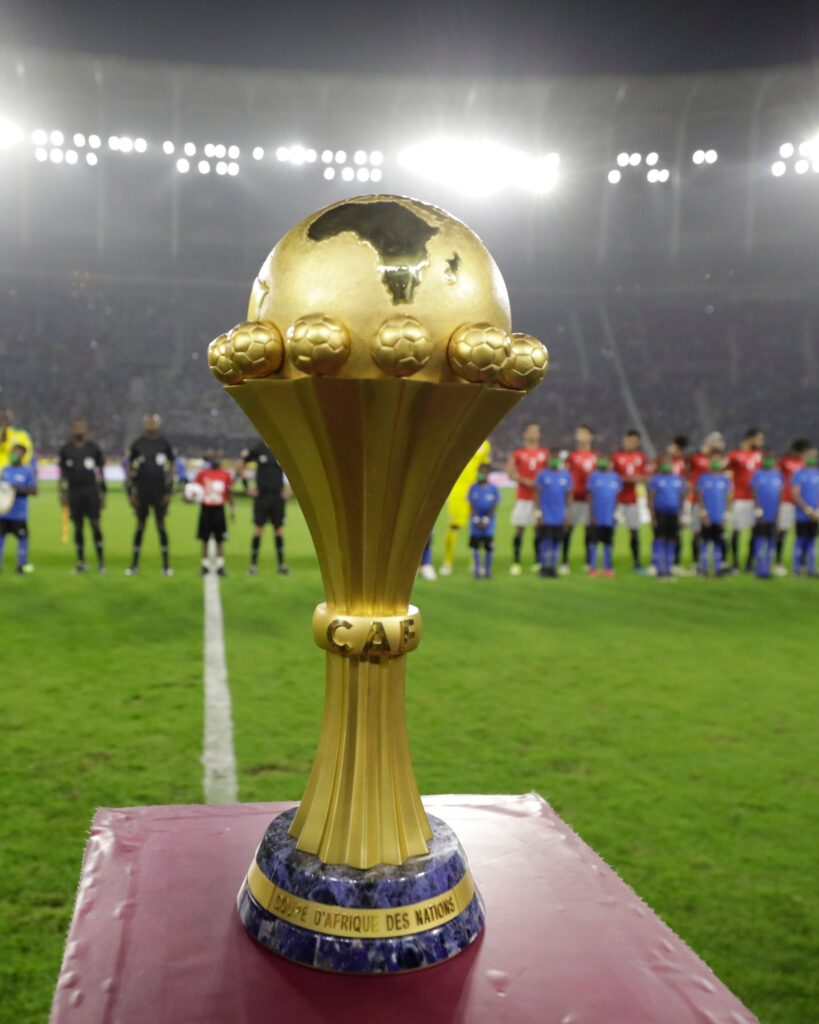
The 2025 Africa Cup of Nations, hosted by Morocco and played in early 2026, ended in unprecedented controversy after Senegal initially defeated Morocco 1-0 in the final. The match descended into chaos following a disputed late penalty decision that prompted Senegal’s players to temporarily walk off the pitch in protest before returning to complete the game.
CAF’s Appeals Board later ruled that Senegal had forfeited the final by leaving the field of play, overturning the original result and awarding Morocco a 3-0 victory. The decision sparked widespread debate across African football, with Senegal challenging the verdict and taking the matter to the Court of Arbitration for Sport (CAS). Critics also questioned refereeing decisions, VAR interventions and the tournament’s overall organisation, making it one of the most controversial finals in the competition’s history.
Attention now turns to the next edition of AFCON, scheduled for June and July 2027, which will be jointly hosted by Kenya, Uganda and Tanzania.
Meanwhile, CAF has confirmed that Ethiopia, Morocco, and a joint bid from Botswana and South Africa remain in contention to host the 2028 tournament.
For now, Africa’s biggest football competition will continue with 24 participating nations, as CAF focuses on improving the quality and global appeal of the tournament rather than increasing the number of teams.
© Bold Sports Media. All rights reserved. If sharing, kindly credit Bold Sports as the source and include a link to the original post. Unauthorised use is prohibited.