




A bold proposal has emerged within Turkish football circles regarding how elite players can contribute to the long-term development of young talents. Former international footballer Umit Ozat has suggested that the presence of Nigerian striker Victor Osimhen in Turkish football should be viewed as more than just a transfer success.
Speaking during a recent television program, Özat argued that Turkish football authorities should consider using Osimhen as a practical learning model for young strikers within the national team system. According to him, the idea could become a strategic tool to address the long-standing challenge of developing high-quality forwards in Turkey.
Proposal to the Federation
Özat directed his proposal to the Turkish Football Federation (TFF), recommending that a portion of the federation’s resources be allocated to integrate Osimhen into youth training environments.
More Read







Rather than relying solely on traditional coaching sessions or theoretical explanations, Özat believes that young players would benefit significantly from observing and interacting with a top-level striker during training sessions.
His suggestion is simple in principle: invite Osimhen periodically to youth national team camps so he can demonstrate, in real time, the techniques and mentality required to succeed as a modern striker.
Learning Directly From Elite Professionals
In Özat’s view, Osimhen represents an ideal example of the modern attacking player. He described the Nigerian forward as a “live textbook” capable of showing young players how elite forwards actually behave during matches and training.
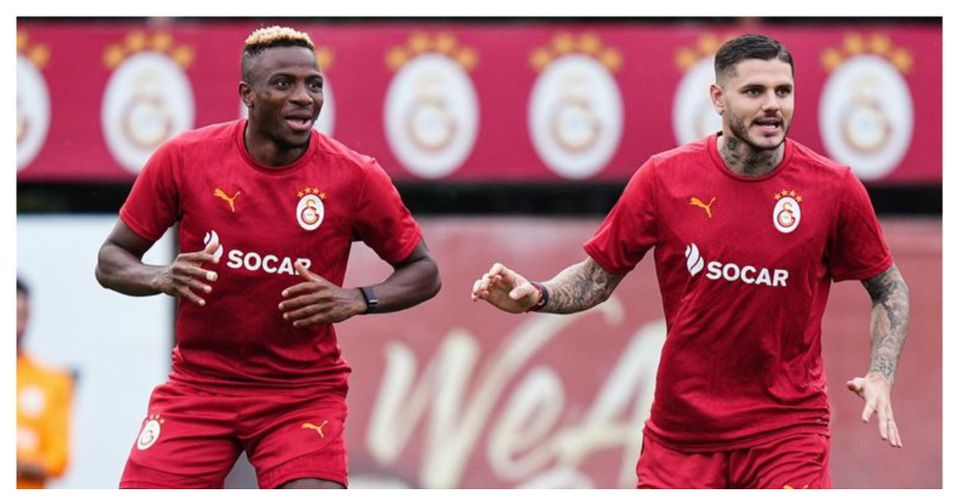
According to Özat, two key qualities make Osimhen particularly valuable for educational purposes.
Professional Work Ethic
World-class players bring a level of commitment and professionalism that younger athletes rarely encounter in their normal training environments. Observing this mindset closely can influence how young players approach preparation, recovery, and competition.
Training Intensity and DisciplineElite strikers train at extremely high intensity while maintaining strict discipline in their routines. Özat believes witnessing this standard firsthand could reshape the mentality of young Turkish players.
Tactical and Technical Lessons Young Strikers Could Study
Özat also highlighted specific elements of Osimhen’s playing style that he believes should be studied closely by striker prospects.
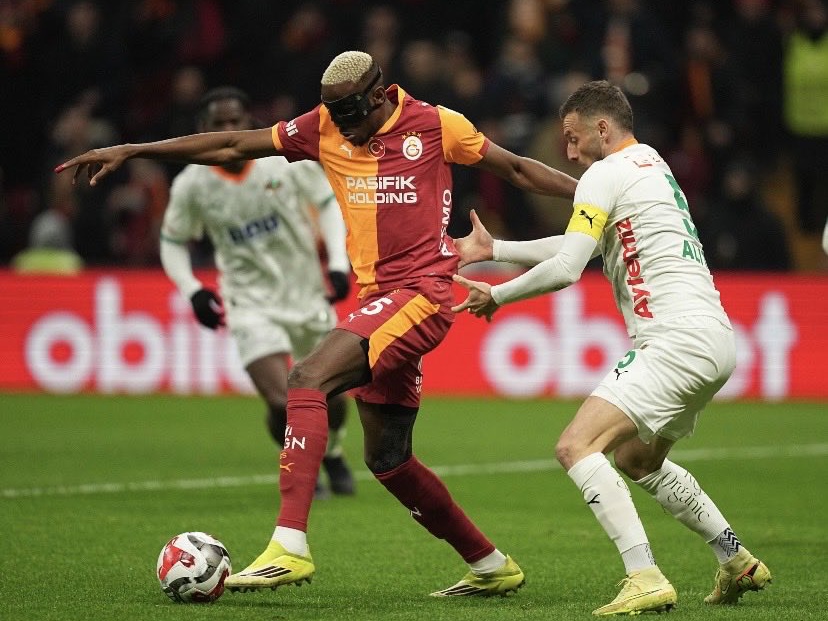
Pressing and Defensive Awareness
One of Osimhen’s strengths lies in his ability to recognize when and how to press opposing defenders. His positioning while the opponent has possession allows him to disrupt build-up play and create attacking opportunities.
Movement Inside the Penalty Area
The Nigerian forward is known for his carefully timed attacking runs, particularly toward the near and far posts during crosses or final-third situations. These movements often destabilize defensive structures and create space for scoring chances.
Decision-Making During Attacks
Özat emphasized the importance of understanding when to hold the ball, when to release it, and how to control the direction of play. He believes Osimhen demonstrates exceptional game intelligence in these moments.
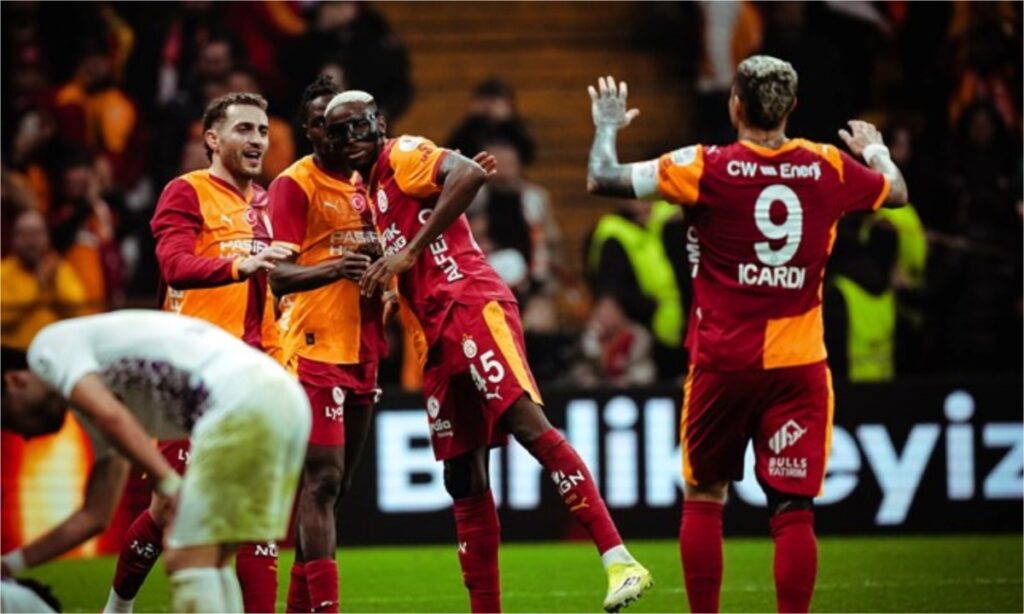
Playing With His Back to Goal
Another notable skill is Osimhen’s ability to operate as a physical reference point in attack. By receiving the ball with his back to goal and shielding it from defenders, he can involve teammates and help his team transition into attacking phases.
Criticism of Traditional Coaching Methods
A significant part of Özat’s argument is his criticism of existing coaching structures. He suggested that some of the instincts and technical subtleties required at the highest level cannot easily be taught through conventional classroom-style coaching.
According to him, many of these details can only be fully understood when young players observe elite performers directly on the training field.
A Similar Idea Was Proposed Before
Özat also revealed that this is not the first time he has promoted such an idea. In the past, he recommended bringing former Croatian striker Davor Šuker into the system to provide short-term practical training for Turkish strikers.
However, he said the suggestion was never implemented, which he described as a missed opportunity.
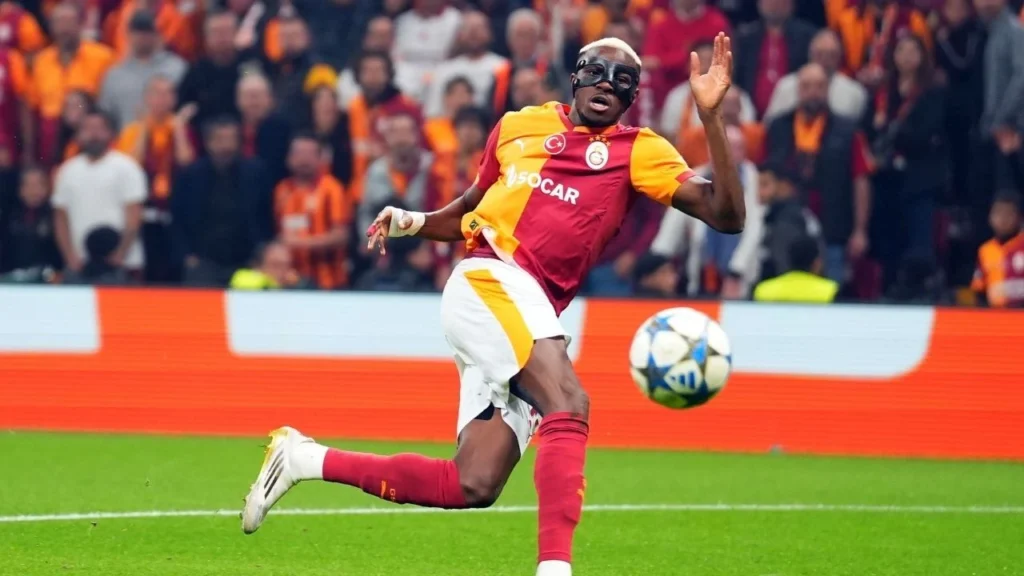
A Potential Turning Point for Striker Development
Özat believes Turkish football now has another chance to benefit from such an initiative. With a striker of Osimhen’s caliber available within the domestic football environment, he argues that failing to utilize this opportunity would be a mistake.
His proposal ultimately centers on reviving a modern version of the traditional master-apprentice approach in football development – where young players learn directly from elite professionals rather than relying only on theoretical instruction.
If the federation were to adopt the idea, Özat believes it could play a significant role in improving how future Turkish strikers are developed.
© Bold Sports Media. All rights reserved. If sharing, kindly credit Bold Sports as the source and include a link to the original post. Unauthorised use is prohibited.