

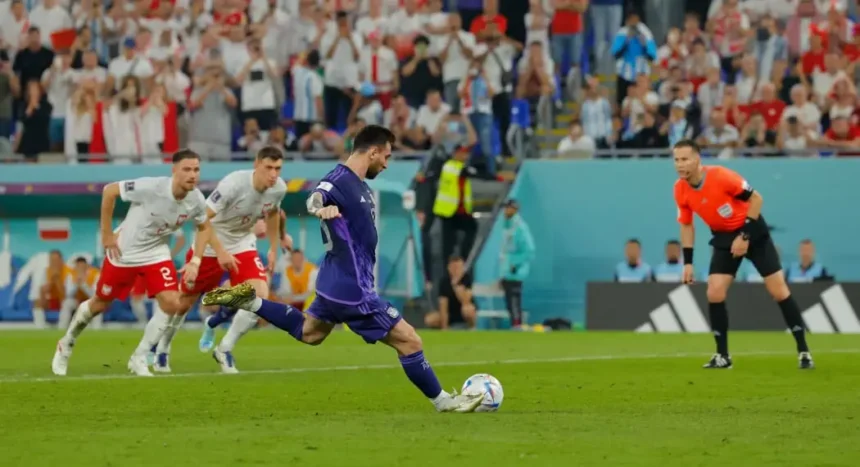
The beautiful game has an ugly inconsistency in how it handles penalty kicks. With the 2026 FIFA World Cup just months away, here is why that needs to change.
Every football fan has seen it happen. A goalkeeper makes a spectacular diving save on a penalty kick, pulling off what should be a moment of individual brilliance. But before anyone can celebrate the save, three or four attackers swarm into the box, and one taps the rebound into the net. The goalkeeper’s initial heroics suddenly vanish. The foul that caused the penalty has now been punished twice.
Something about this feels fundamentally wrong, and with the biggest tournament in football on the horizon, I believe it is time for football to confront this inconsistency head-on.
The Double Jeopardy Theory
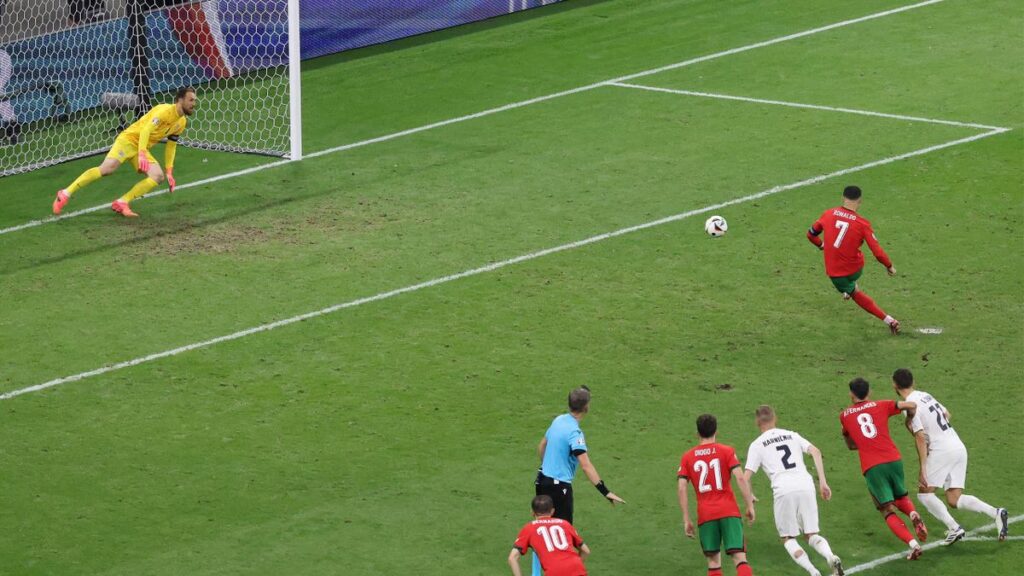
Here is the situation as it stands: when a team commits a foul in the penalty area, they are penalized with what is already the most advantageous set piece in football. Statistics show that penalties are converted at a rate of 75-80%. That is the price to pay for a defensive infraction and rightly so.
More Read






But under current rules, even when a goalkeeper makes a save, the punishment often continues. Attacking players, who had a 10-yard head start, rush in for the rebound. The defending team must now protect their goal a second time, a third time, sometimes more, all stemming from a single foul. Again, this leaves the earlier goalkeeper heroics in ruins.
A Solution Already Exists
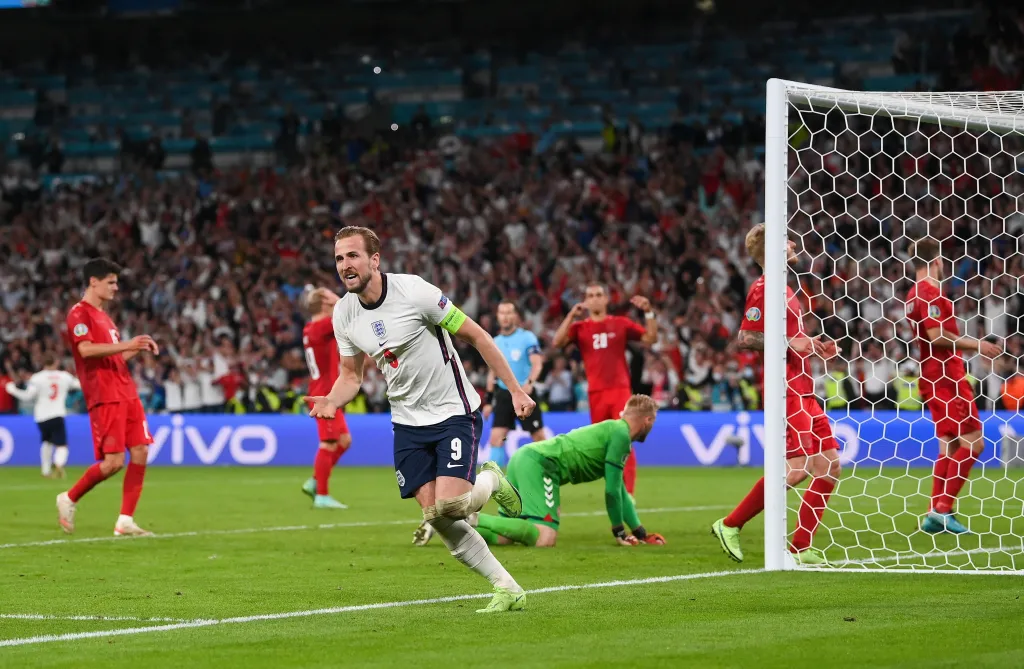
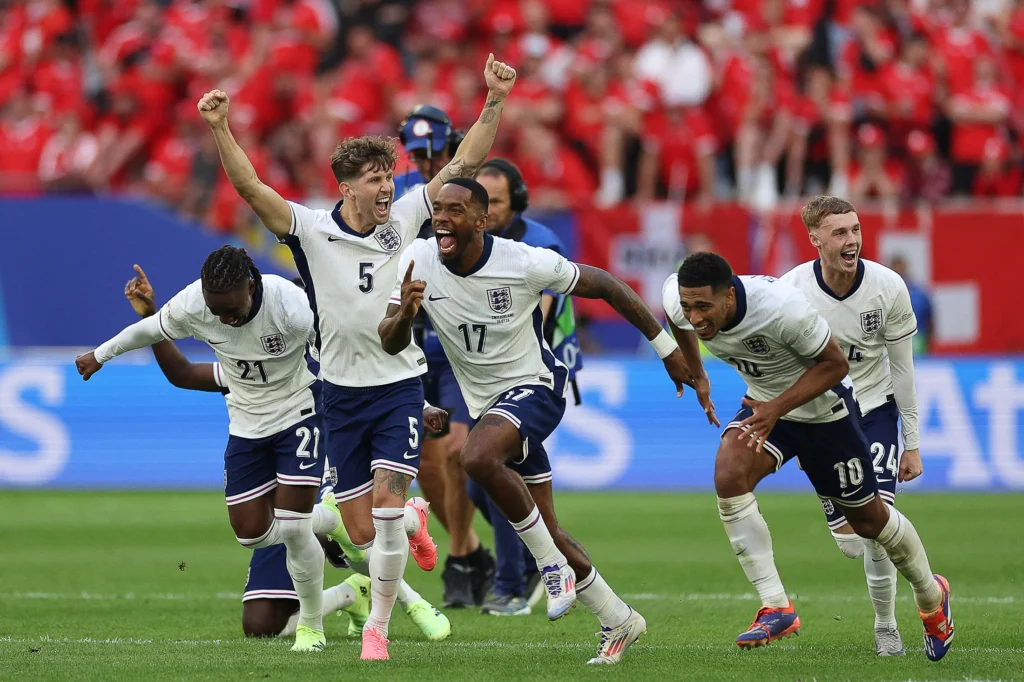
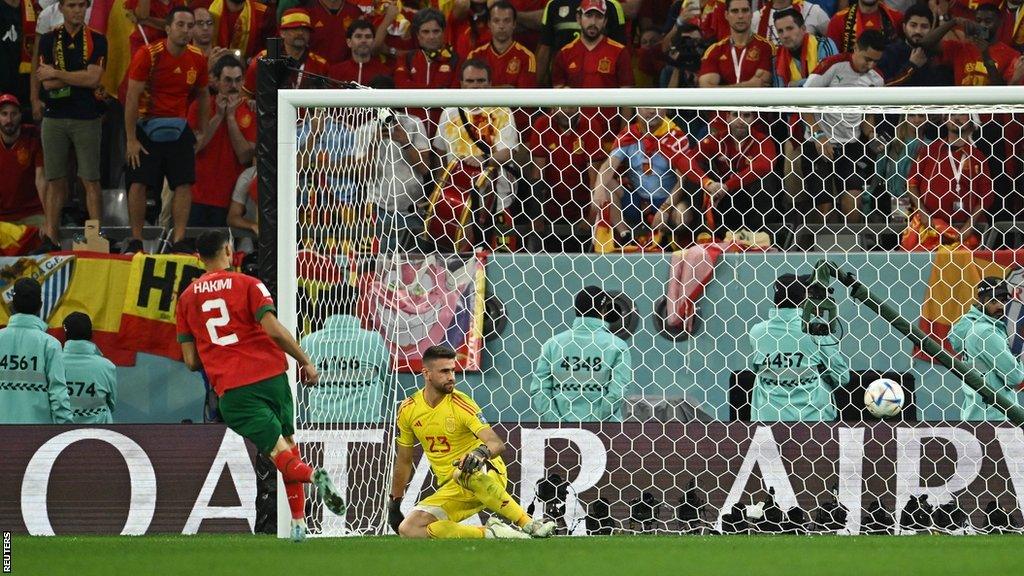
The irony is that football has already solved this problem in one specific context: penalty shootouts. When matches go to penalties, the rules are crystal clear. The kicker takes their shot. If the goalkeeper saves it, that is the end of it. No rebounds. No second chances. The outcome is final, and the play moves on.
These shootout rules work beautifully. They are simple, they are fair, and they create dramatic tension precisely because both the penalty taker and the goalkeeper know everything rides on that single moment. It is a direct shame or fame for the taker or the goalkeeper. No interference.
So here is my opinion: apply those exact same rules to penalties during regular play. When a goalkeeper saves a penalty, play stops immediately. If the keeper catches or secures the ball, restart with a goal kick. If the saved ball crosses the end line, award a corner kick.
That is it. Clean, simple, consistent.
The Experts Are Paying Attention
This is not just my opinion. Some of football’s most respected voices have begun questioning the current penalty system.
Pierluigi Collina, arguably the most famous referee in football history, previously served as UEFA’s chief refereeing officer and is now FIFA’s refereeing chief/chairman of the FIFA Referees Committee, has publicly supported this exact reform. Collina argued that there is an excessive imbalance between opportunities available to attackers versus goalkeepers during penalties. He pointed out that, with 75% of penalties already scored, penalty kicks often represent better chances than the original fouls that led to them, so eliminating rebounds would restore some balance.
Collina specifically advocated for play to resume with a goal kick if a penalty is not scored, which would also eliminate the crowding and encroachment issues that plague current penalty situations.
What Would Actually Change?
Let us be practical about what this reform would mean for the game.
First, it would significantly reward goalkeeping excellence. When a goalkeeper makes a save on a penalty, that would be a genuine achievement worth celebrating, not just a delay before the inevitable rebound goal. If a taker can celebrate a goal at the first instance, a goalkeeper should also be allowed to celebrate a save at the same first instance. This could encourage more young players to pursue goalkeeping, knowing their highlight-reel saves would actually matter.
Second, it would increase the pressure on penalty takers in a good way. Knowing there is no safety net would demand greater precision and composure. The penalty kick would become even more of a mental battle between the kicker and the keeper, as we see in a proper shootout session.
Third, it would eliminate numerous points of controversy. Questions about encroachment, exactly when players can enter the box, and whether the goalkeeper left the line too early would become far less consequential. The focus would shift back to the kick itself.
Fourth, tactical approaches would evolve. Goalkeepers would only need to parry shots rather than catch them.
The Tradition Argument
I can already hear the objection: “But this is how football has always done it!”
Except it has not. The penalty kick itself was only introduced in 1891. The requirement that the goalkeeper stay on the line until the kick is taken was not formalized until 1997. The current encroachment rules were changed as recently as 2019. Football’s laws have constantly evolved, and the game is better for it.
More importantly, we already use different penalty rules in other contexts. Shootouts operate one way. Regular play operates another way. This inconsistency is not tradition; it is just inertia.
Some will argue that penalty rebounds have produced memorable moments. That is true. But memorable moments do not justify fundamentally unfair systems. Football has removed many exciting but problematic elements over the years: physical challenges that are now considered fouls, goalkeeper handling of back passes, and an increased number of substitutions. The game survived and thrived.
Making It Happen
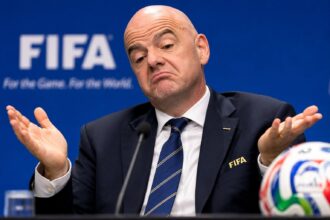
For this reform to become a reality, it would need approval from IFAB, which requires at least six votes from its eight members.
The timing is particularly opportune. FIFA has several high-profile competitions in early 2026 that could serve as ideal testing grounds for this rule change before any potential consideration or even implementation at the 2026 FIFA World Cup in the United States, Mexico, and Canada.
For instance, the 2026 Finalissima on March 27th presents a perfect opportunity. This intercontinental showcase between Spain (UEFA Euro 2024 winners) and Argentina (2024 Copa América winners) provide a prestigious, globally-watched platform to trial the new penalty format with two elite teams.
Similarly, the intercontinental club tournament featuring the world’s top women’s teams would allow FIFA to evaluate the rule’s impact at the club level while promoting the women’s game.
FIFA’s various youth tournaments throughout 2026, including U-17 World Cup qualifiers and regional confederation youth championships, offer additional low-pressure environments to test the reform. Youth competitions have historically served as laboratories for rule changes, and the same approach could work here.
Even FIFA-sanctioned international match windows during early-to-mid 2026 could incorporate the new penalty format during friendlies and preparation matches, giving teams, referees, and officials hands-on experience before the World Cup begins.
This staged approach would provide comprehensive data and allow for any necessary adjustments before the world’s biggest football stage. Referees would need training, but the actual change is simpler than the current system, not more complex, making implementation relatively straightforward. It is one burden less, not more!
A Question of Fairness
At its core, this is about what we believe football should be. Should a single defensive foul result in multiple goal-scoring opportunities? Should a goalkeeper’s excellent save be undermined by an arbitrary rule that gives attackers additional chances?
The current penalty system already heavily favors attackers with its 75-80% conversion rate. When goalkeepers beat those odds and make a save, that achievement deserves to stand and not be short-lived.
Football prides itself on being the beautiful game, accessible to everyone, and governed by clear, consistent rules. Right now, our penalty rules are not consistent. We apply one standard during shootouts and another during regular play, for no compelling reason other than “that is how it has always been done.”
It is time to align these rules, restore balance between attackers and defenders, and reward goalkeeping excellence. It is time to fix football’s penalty problem.
The solution already exists. We need the courage to implement it.
© Bold Sports Media. All rights reserved. If sharing, kindly credit Bold Sports as the source and include a link to the original post. Unauthorised use is prohibited.