


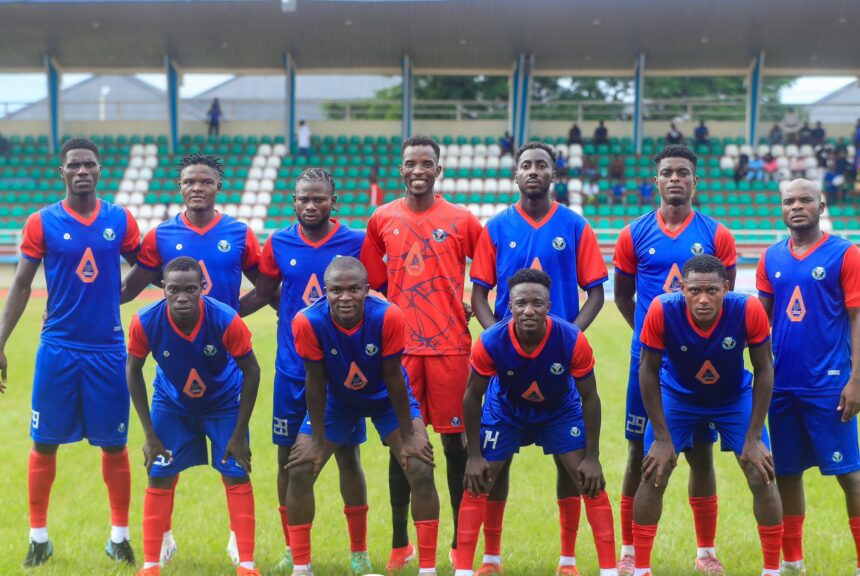
A grueling two-day road journey for newly promoted Nigeria Premier Football League (NPFL) side Warri Wolves to face El Kanemi Warriors has sparked renewed debate about player welfare and the persistent reliance on long-distance road travel in Nigerian football.
The club’s trip, a marathon from Warri to Maiduguri, began with a significant setback. Their original team bus broke down in Asaba, forcing a delay while a replacement vehicle was arranged to continue the arduous journey.
This kind of logistical nightmare is all too familiar for teams in the NPFL, where road travel remains the dominant, and often the only mode of transportation for away matches.
Following Sunday’s game, the players will immediately face another two-day journey back home, leaving them with little time to recover before their next fixture. The exhaustive travel schedule has left many players disillusioned.
More Read






An anonymous player, speaking on the condition of anonymity, expressed the team’s frustration. “The players are unhappy with all of this. Our welfare should be paramount to the club management and, by extension, the government,” he stated.
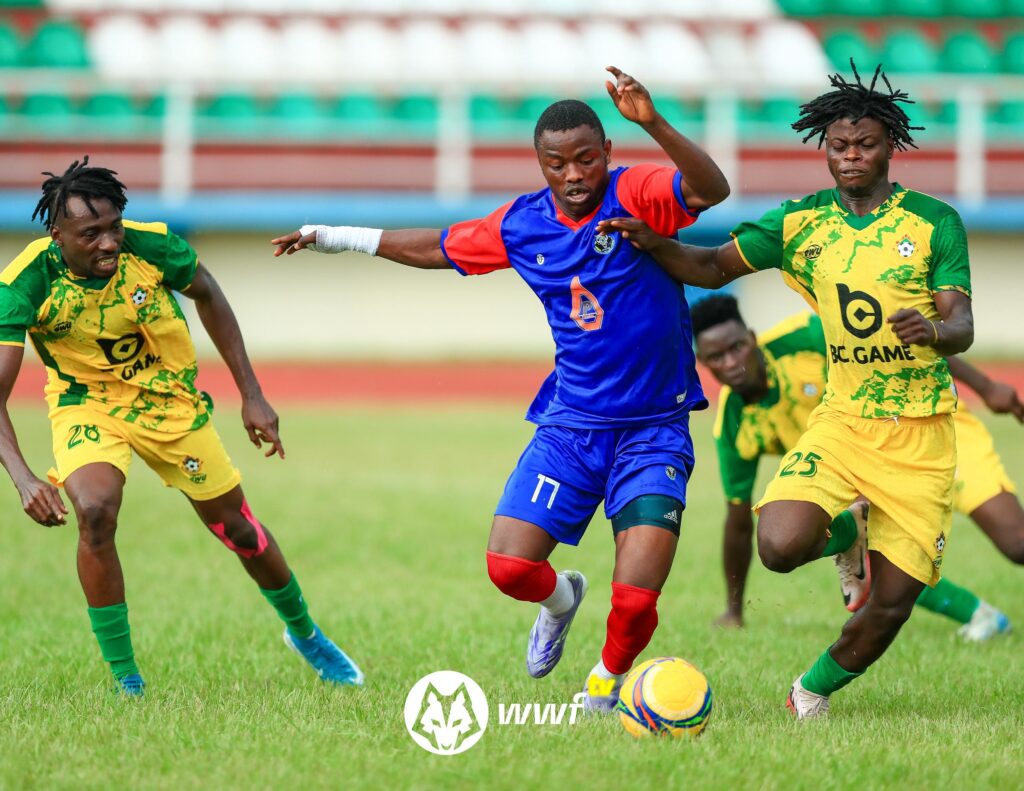
“We are workers, and we can only deliver if we have the best situation,” the player continued. “It is difficult for a team to travel from Delta to Maiduguri by road, and after two days on the road, with leg and body pains, we are expected to get maximum results. Even though we try our best, the strength and time we spent on the road will tell.”
The player’s appeal for better transportation echoes a growing call within the league for clubs to prioritize player well-being. This sentiment is gaining momentum, especially as some of the league’s more commercially savvy or privately owned clubs, such as Enyimba, Remo Stars, Bendel Insurance, and even newcomers Barau FC, have begun to fly for long-distance away games.
This modern approach not only ensures player freshness but also enhances the team’s chances of securing positive results on the road. In contrast, many government-owned teams, like Warri Wolves, have been slow to adopt this trend, often citing financial constraints.
The risks associated with long-distance road travel for Nigerian football teams are well-documented and tragic. The country’s poor road infrastructure and security challenges have led to numerous accidents over the years, casting a dark shadow over the beautiful game.

A somber history of road accidents serves as a stark reminder of the dangers. In December 2008, 18 female players were killed in Plateau State when their team bus was involved in an accident. Barely a month later, 15 players from FC Jimeta of Adamawa were also killed in a road accident near Akwanga, central Nigeria on their way to Abuja for a professional league match.
In 2015, five Kano Pillars players were shot by gunmen in an attack on the club’s entourage as they travelled to Owerri for the start of the 2015 Nigerian Premier League season.
These incidents underscore the urgent need for clubs and the league to invest in safer, more efficient travel options.
While Warri Wolves prepare for their next match, their two-day ordeal serves as a potent microcosm of the broader issues facing Nigerian football. The path to a truly professional league requires a fundamental shift in how player safety and welfare are prioritised, a shift that many believe is long overdue.
© Bold Sports Media. All rights reserved. If sharing, kindly credit Bold Sports as the source and include a link to the original post. Unauthorised use is prohibited.