

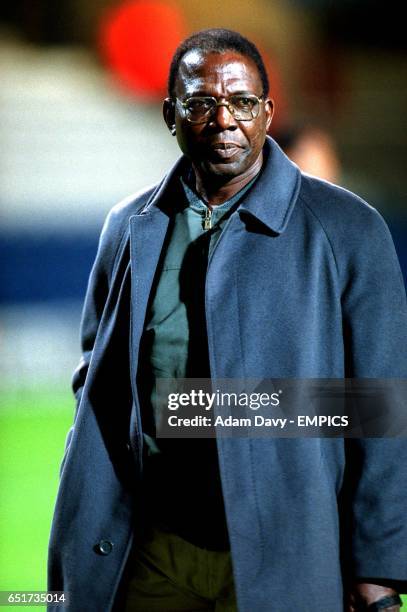
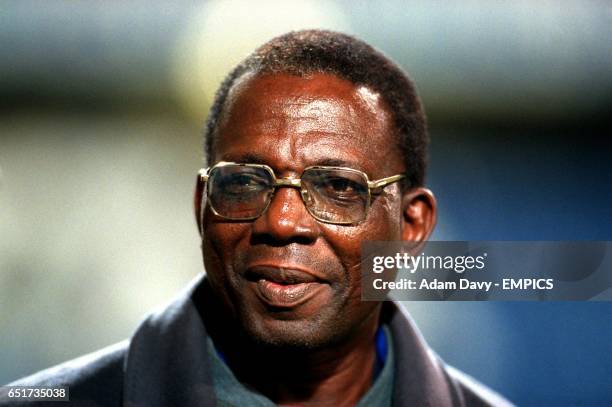
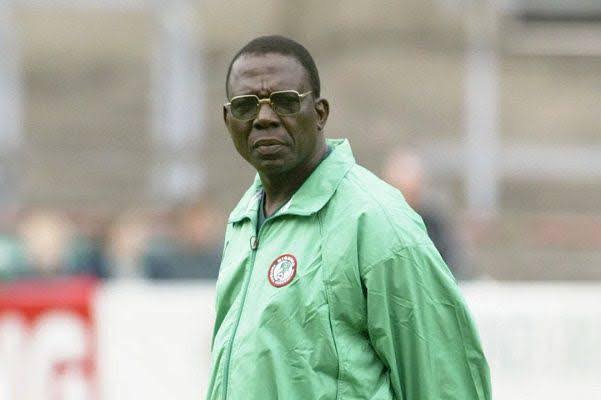
Nigeria’s football community is paying tribute to veteran coach and administrator Adegboye Onigbinde, who passed away at the age of 88. Widely regarded as one of the most influential figures in the country’s football history, Onigbinde’s career as a coach, technical expert and administrator spanned several decades.
Tributes have been led by Nigerian President Bola Tinubu and the Nigeria Football Federation, both of whom described his death as a significant loss to Nigerian and African football.
National Condolences
In a statement released by presidential spokesman Bayo Onanuga, President Tinubu extended condolences to the late coach’s family and the wider football community.
More Read






The president praised Onigbinde’s role in shaping Nigerian football, highlighting his contribution to grassroots development and the strengthening of football administration in the country. He also recognised the former coach’s historic role as one of the earliest indigenous managers to lead the national team.
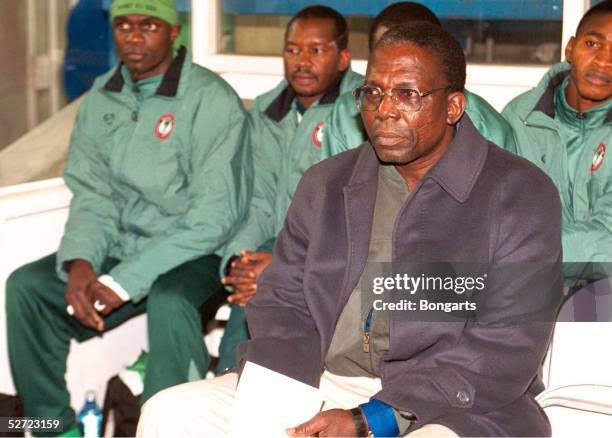
Tinubu said the veteran tactician would be remembered for his discipline, integrity and deep commitment to the growth of the sport.
The president also offered sympathies to the Nigeria Football Federation, the National Sports Commission, professional colleagues and football supporters across the country.
Football Authorities Pay Tribute
Nigeria’s football governing body also issued a statement mourning the loss of the former national team coach, describing him as a dedicated servant of the game.
According to the federation’s General Secretary, Mohammed Sanusi, Onigbinde devoted his life to football development both in Nigeria and internationally.
Sanusi said the late coach remained actively engaged in discussions about football growth even in his later years, often providing guidance and advice to administrators and coaches.
“He lived and breathed football development,” Sanusi said, adding that his passing represents the loss of a respected voice within the football community.
A Career That Shaped Nigerian Football
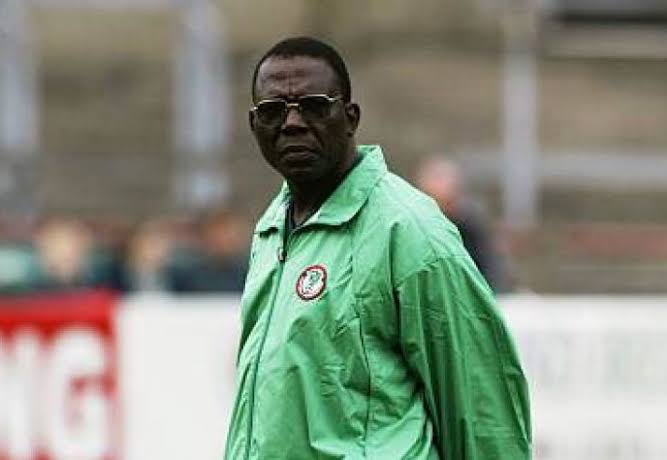
Onigbinde built a reputation as one of Nigeria’s leading tacticians during a career that stretched across coaching, technical instruction and football administration.
He was among the first Nigerian coaches to obtain elite coaching qualifications, earning a German Grade A coaching licence in 1976. He later expanded his expertise by attending advanced coaching training in Brazil in 1981.
The following year, in 1982, he was appointed head coach of Nigeria’s national team, the Nigeria national football team.
His most notable achievement came at the Africa Cup of Nations in 1984, when he guided Nigeria to the final of the tournament. The team finished runners-up after losing to Cameroon national football team, but the campaign marked a historic moment as it was the first time an indigenous Nigerian coach led the country to a continental medal.
Success at Club Level
Beyond the national team, Onigbinde also enjoyed success in club football. While managing Shooting Stars SC, he led the club to the final of the 1984 African Cup of Champions Clubs – now known as the CAF Champions League – where they narrowly lost to Egyptian side Zamalek SC.
Earlier, he had taken Water Corporation FC to the quarter-finals of the same competition in 1977, further cementing his reputation as a highly respected coach within African football.
Return to the National Team
Nearly two decades after his first tenure, Onigbinde returned to lead Nigeria during a difficult period and guided the team to qualification for the 2002 FIFA World Cup.
Although Nigeria did not progress beyond the group stage, the team delivered competitive performances, narrowly losing to Argentina national football team and Sweden national football team while holding England national football team to a draw.
Contributions Beyond Coaching
Outside direct coaching roles, Onigbinde also played a key role in football administration and technical education.
He served as Technical Director of the Nigeria Football Federation and worked internationally as a technical adviser to the Trinidad and Tobago Football Federation, where he oversaw youth development initiatives.
He also collaborated with the Confederation of African Football and FIFA as part of technical study groups at major international tournaments.
Later in life, he dedicated significant time to coaching education, helping train football instructors and technical experts across Africa.
A Lasting Legacy
Onigbinde’s family confirmed his death in a statement, describing him as a devoted father, husband, grandfather and community leader.
His passing has prompted tributes from across Nigeria’s football community, with many remembering him as a pioneer who helped shape the country’s coaching tradition.
© Bold Sports Media. All rights reserved. If sharing, kindly credit Bold Sports as the source and include a link to the original post. Unauthorised use is prohibited.