

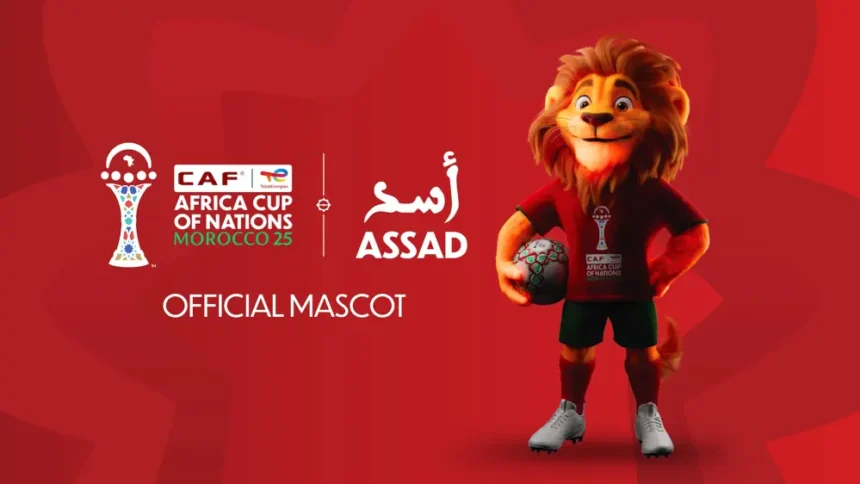
Before the opening whistle of the Africa Cup of Nations (AFCON), the tournament introduces itself in a different way through its mascot. Often dancing on the touchline or lighting up opening ceremonies, AFCON mascots have become subtle storytellers of African football, culture, and identity.
From powerful animals to modern, camera-ready characters, their evolution mirrors the growth of the competition itself.
The modern era of AFCON mascots began in 2000, when Nigeria and Ghana co-hosted the tournament. Rather than a single figure, the hosts presented two symbols, Nigeria’s Green Eagle and Ghana’s Black Star. The eagle, rooted in Nigeria’s coat of arms, represented strength and leadership, while the Black Star symbolised African unity and destiny. Together, they captured a shared West African football ambition.
In 2002, Mali turned to nature, unveiling an unnamed hippopotamus as its mascot. In African folklore, the hippo is revered for its power and protective presence, reflecting the host nation’s deep cultural connection to land and tradition.
More Read





Tunisia followed in 2004 with Nçayir, an eagle whose name means “eagle” in Arabic, projecting dominance and national pride in the colours of the Carthage Eagles.
Few mascots carried as much historical depth as Egypt’s CrocoNile in 2006. Dressed in pharaonic attire, the crocodile symbolised strength and adaptability, while the Nile River represented life and unity across Africa. It was a bridge between ancient civilisation and modern African football.
Ghana’s 2008 tournament reinforced the use of wildlife symbolism before Angola introduced Palanquinha, the Giant Sable Antelope, in 2010. Rare and found only in Angola, Palanquinha embodied resilience, uniqueness, and the determination of African football to stand apart.
AFCON 2012 delivered one of its most thoughtful designs with Gaguie, a gorilla representing co-hosts Gabon and Equatorial Guinea. Beyond football, Gaguie carried an environmental message, drawing attention to endangered species and symbolising unity between the two nations.
South Africa’s Takuma in 2013 marked a shift. Designed by a 13-year-old student, the hippopotamus became a symbol of youth, creativity, and inspiration, later adopted as the country’s national sports mascot.
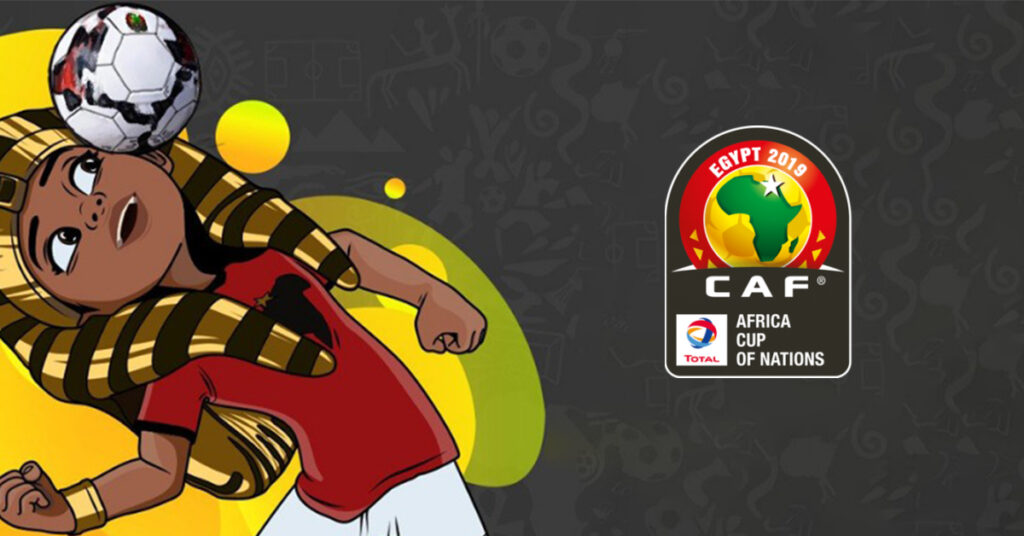
Equatorial Guinea’s Chuku Chuku, a porcupine in 2015, represented resilience and courage, while Gabon’s sleek black panther Samba in 2017 blended strength with hospitality. Egypt’s return in 2019 saw a change in direction with Tut, a young boy inspired by Pharaoh Tutankhamun, symbolising heritage, youth, and the future of African football.
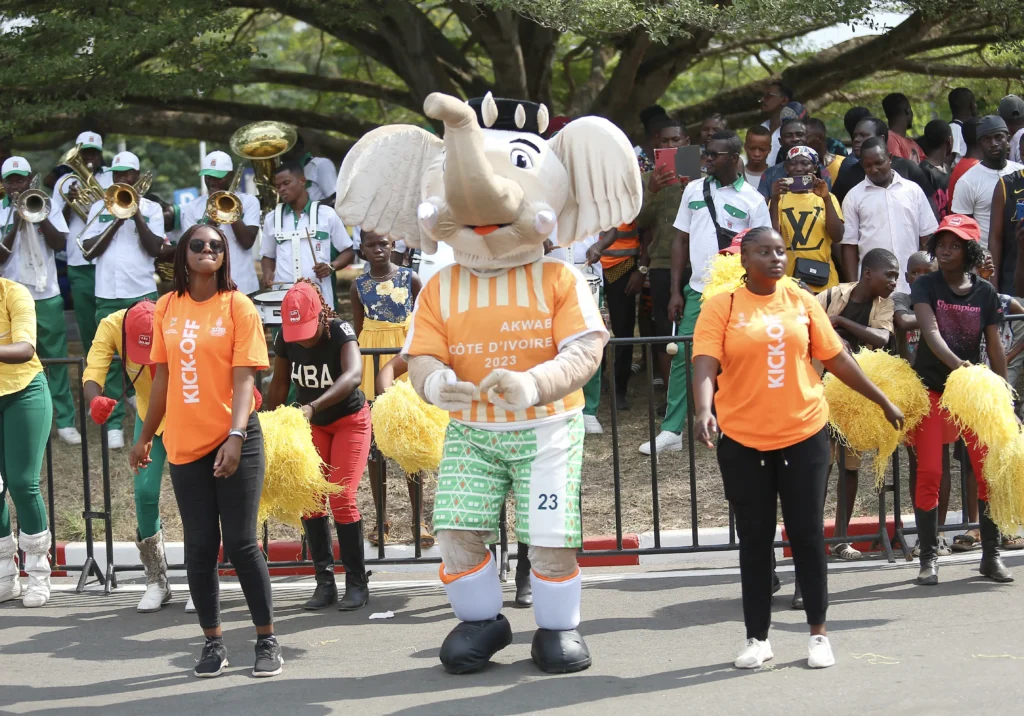
Cameroon’s Mola in 2021, a lion dressed in traditional toghu fabric, embodied warmth, unity, and cultural pride. Côte d’Ivoire followed in 2024 with Akwaba, an elephant whose name means “welcome,” highlighting friendship, generosity, and teamwork.
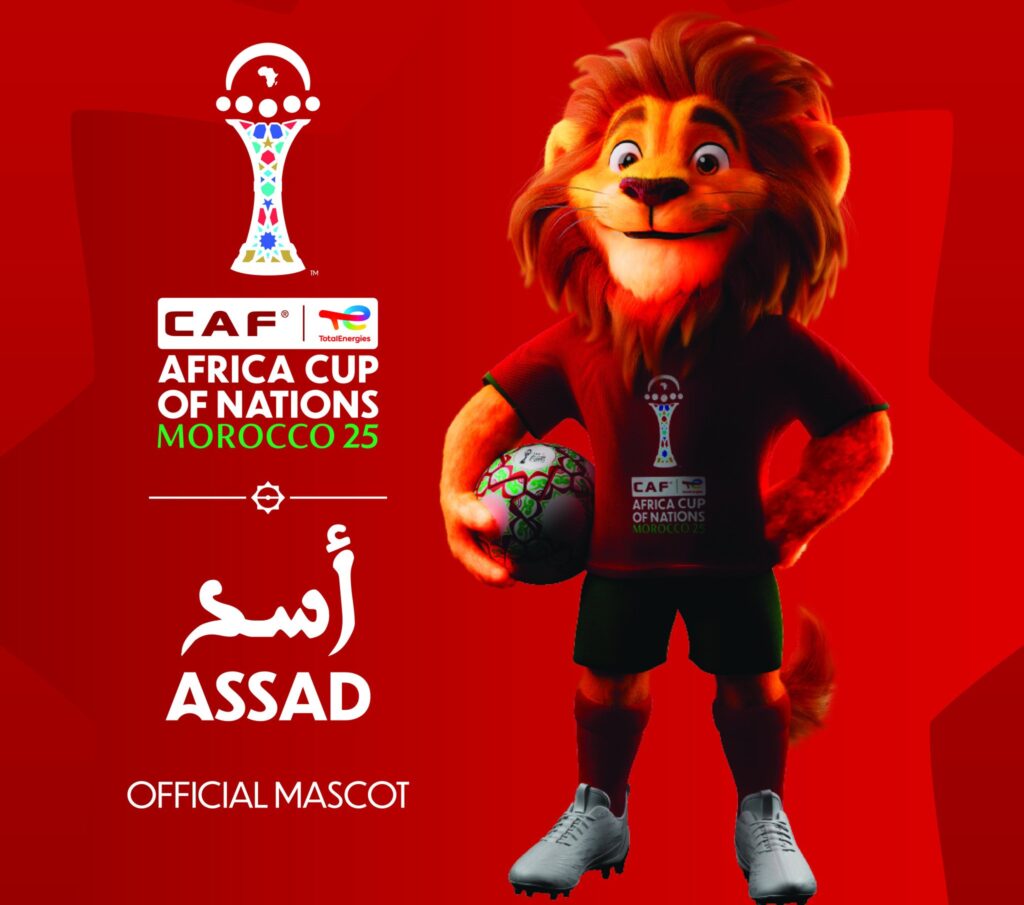
Looking ahead, Morocco’s Assad, inspired by the Atlas Lion, reflects strength, pride, and cultural authenticity while aiming to connect with a new generation of fans.
More than costumes, AFCON mascots are cultural markers. They capture how African football sees itself, proud of its past, confident in its present, and ambitious for its future. Long after the final whistle, they remain smiling reminders of Africa’s greatest football celebration.
© Bold Sports Media. All rights reserved. If sharing, kindly credit Bold Sports as the source and include a link to the original post. Unauthorised use is prohibited.