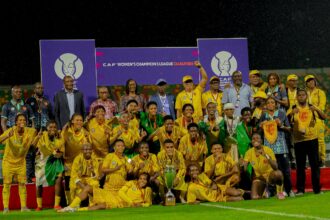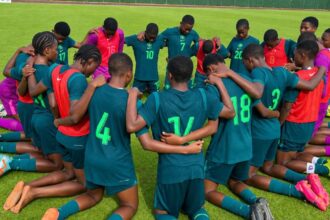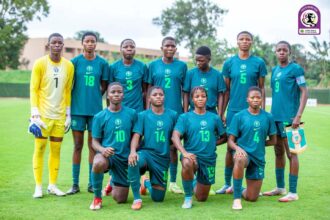


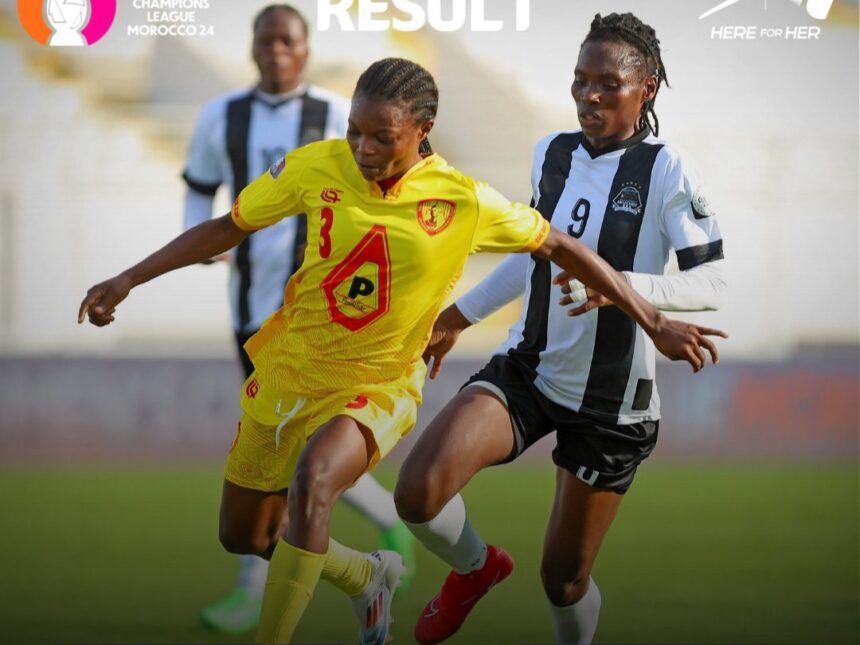
Edo Queens had completed the match, won the penalties and celebrated a place in the CAF Women’s Champions League. Weeks later, they were told the final was not properly finished.
CAF’s decision to set aside their shootout victory over Ampem Darkoa has left the Nigerian club challenging a ruling over an error neither team was found to have caused. The dispute centres on extra time that should have been played before the penalties, and whether asking the teams to return is the right way to correct what happened.
What went wrong in the final?
The WAFU B qualifying final in Ouagadougou on September 5 ended 2–2 after 90 minutes. The teams then proceeded directly to penalties, which Edo Queens won 4–1.
Ampem Darkoa protested because the competition regulations required two 15-minute periods of extra time before a shootout. CAF upheld the protest in a decision dated September 26, concluding that the penalties had taken place before the required playing time was completed.
More Read






That distinction matters. The complaint was about the procedure used to settle the final, rather than an allegation that Edo Queens had fielded an ineligible player or manipulated the match.
CAF did not order the entire game to be replayed. It kept the original 90 minutes and the 2–2 score, while directing the teams to resume from extra time. Its published decision, as reported by the Ghana Football Association, also recognised that neither club was responsible for the error.
Why are Nigeria appealing?
The NFF’s argument is that Edo Queens complied with the officials’ instructions. The players did not decide to skip extra time, and the federation says their eventual victory should not turn that compliance into responsibility for the mistake.
The appeal, filed on September 29, asks CAF to preserve the original shootout result. It does not dispute that extra time was required. Instead, it challenges the consequence CAF has chosen and asks whether removing a completed sporting result is justified when the winning team did not cause the breach.
There is an understandable argument on both sides. Ampem Darkoa were entitled to the additional playing time provided by the regulations. Edo Queens were entitled to expect that the officials conducting the final were applying those regulations correctly.
The difficulty is that correcting the first problem creates another for players who had already been told the competition was over. Returning to play extra time on a later date cannot reproduce every condition that existed at the end of the original 90 minutes.
What does it mean for Edo Queens?
The dispute affects both the WAFU B title and the qualification place awarded through that tournament. Edo Queens had celebrated securing the zone’s Women’s Champions League ticket; the appeal now seeks to restore the result on which that qualification was based.
At the time of writing, no public appeal decision had been located. It would therefore be premature to present either Edo Queens’ original victory or the ordered resumption as the final outcome of the case.
CAF’s responsibility is to explain its eventual decision clearly, including the basis for the remedy and how it will be implemented. For the clubs, uncertainty has practical consequences: squad preparation, travel and spending depend on knowing which competition they are preparing to play.
Edo Queens followed the instructions given on the day. Ampem Darkoa challenged a genuine procedural error. The appeals process must now decide how to reconcile those two facts without leaving the players to carry the full cost of an administrative failure.
© Bold Sports Media. All rights reserved. If sharing, kindly credit Bold Sports as the source and include a link to the original post. Unauthorised use is prohibited.