


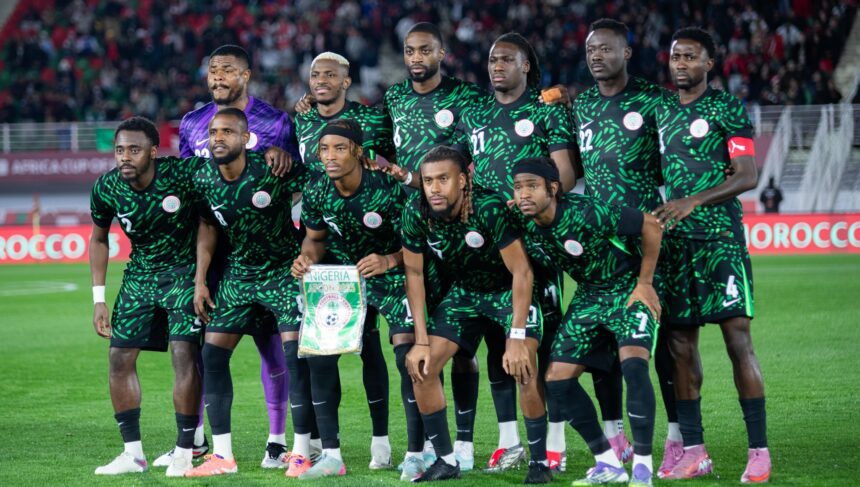
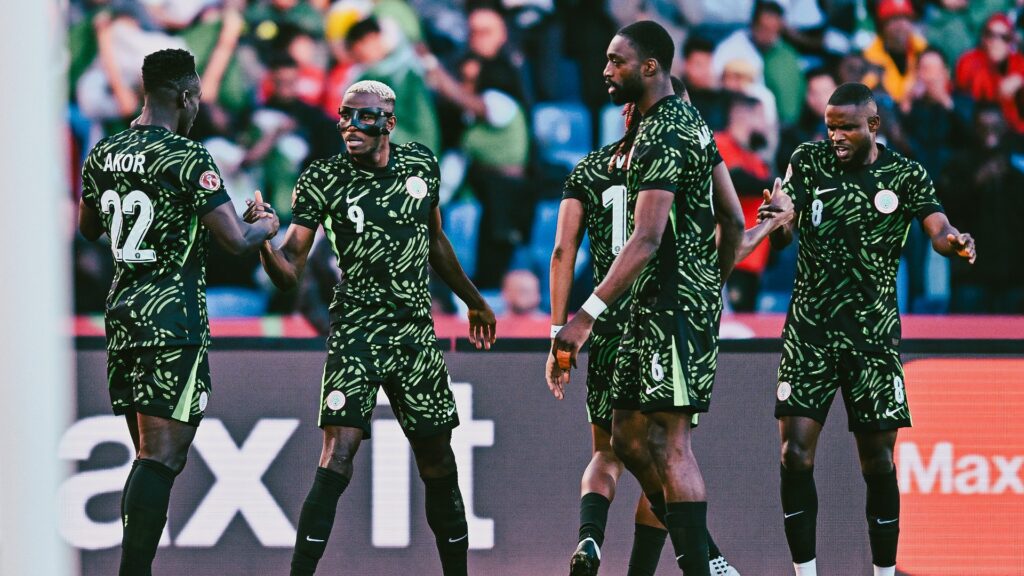
Nigeria Super Eagles‘ chances of playing at the 2026 World Cup now hinge on a decision from FIFA following allegations that DR Congo fielded ineligible players during their play-off meeting.
The Congolese defeated the Super Eagles on penalties in November to secure a place in the intercontinental play-off for the tournament, which will be hosted by Canada, Mexico and the United States. That result left Nigeria facing the prospect of missing a second successive edition of the World Cup.
In December, the Nigeria Football Federation (NFF) submitted a formal complaint to Fifa. According to BBC Sport Africa, the NFF argues that players such as Aaron Wan-Bissaka and Axel Tuanzebe were ineligible to represent DR Congo because Congolese law does not permit dual nationality. Both players are former England youth internationals who later switched allegiance.
The NFF maintains that some Congolese players held European passports, which it believes conflicts with domestic citizenship laws.
The federation further contends, according to BBC Sport Africa, that Fifa may have been deceived or provided with incomplete documentation when clearing the players to represent the Leopards.
FIFA has confirmed that the matter is under review but has not provided a timetable for a ruling. The NFF has also moved to dismiss speculation that its protest has already been thrown out, stating that no verdict has been communicated to either federation.
The Congolese Football Federation has rejected Nigeria’s petition, branding it an attempt to “win via the back door”, according to BBC Sport Africa.
Under Fifa statutes, a player may apply for a one-time change of national association, subject to a written and substantiated request approved by Fifa’s players’ status committee.
More Read




Fifa requires a player to hold a passport of the nation they wish to represent, but it is possible under its regulations to also hold another passport.
According to BBC Sport Africa, this difference between Fifa’s framework and domestic nationality laws may be at the heart of the dispute.
Possible outcomes include dismissal of the complaint if the evidence is deemed insufficient. Fifa could also impose administrative sanctions if procedural breaches are found, while more serious sporting sanctions – such as forfeiture – are typically reserved for clear and material violations.
Meanwhile, DR Congo are set to face either New Caledonia or Jamaica in March’s intercontinental play-off, with the winner progressing to the expanded 48-team World Cup.
© Bold Sports Media. All rights reserved. If sharing, kindly credit Bold Sports as the source and include a link to the original post. Unauthorised use is prohibited.