


The financial landscape of modern football has evolved into a global super-industry, attracting some of the wealthiest figures on the planet. With soaring revenues, multi-billion-dollar broadcasting deals and unprecedented commercial growth, owning a football club has become one of the most influential investments in world sport.
Today, the game is shaped not only by what happens on the pitch but also by the enormous fortunes driving decisions behind closed doors. A select group of owners command resources capable of transforming clubs, altering competitions, and redefining long-term ambitions.
This is a detailed look at the top 10 richest football club owners in 2025, ranked by their estimated net worth from credible financial platforms including Forbes and other verified sources.
1. Public Investment Fund (PIF) – Newcastle United
More Read






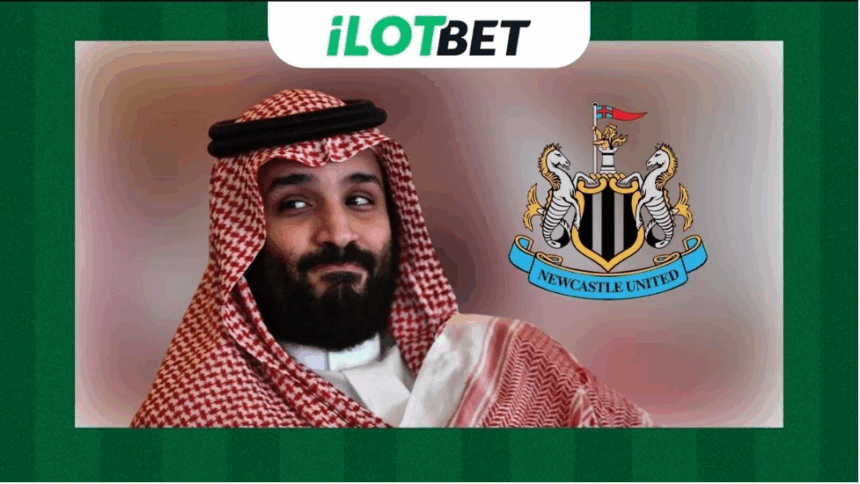
The Saudi Arabia Public Investment Fund, chaired by Crown Prince Mohammed bin Salman, controls an 80 percent stake in Newcastle United. The sovereign fund’s overall valuation places it far above any individual owner in world football.
While the PIF’s vast fortune isn’t solely channeled into the club, its presence has dramatically elevated Newcastle’s financial capabilities. Since the 2021 takeover, the Magpies have operated with resources that rival Europe’s elite, rebuilding their squad, strengthening their infrastructure, and positioning themselves as long-term contenders on the continental stage.
2. Sheikh Mansour – Manchester City
Sheikh Mansour’s investment portfolio through the City Football Group has transformed Manchester City from domestic hopefuls into a global powerhouse. His personal fortune provides the backbone for one of the most sophisticated football projects in the world.
Under his ownership, City have enjoyed enormous sporting success, and their operations now extend across multiple clubs worldwide. The financial strength behind the project has helped establish an interconnected network that supports talent development, commercial expansion, and long-term dominance.
3. Sir Jim Ratcliffe – Manchester United
Sir Jim Ratcliffe entered Manchester United with one mission: restore the club’s identity and competitiveness. As one of the wealthiest individuals in Britain, his financial muscle adds significant weight to United’s rebuilding efforts.
His approach — analytical, structured, and long-term — reflects years of running global sporting institutions under INEOS. Ratcliffe’s wealth introduces a reshaping of culture and performance expectations at Old Trafford.
United’s new era is being guided by one of the most financially capable owners in the game, determined to reconnect the team with its historic standards.
4. David Tepper – Charlotte FC
David Tepper brings the kind of investment depth rarely seen in Major League Soccer. His fortune, built through hedge funds, gives Charlotte FC a level of financial stability that most new franchises can only dream of.
Tepper’s ownership is part of a wider shift in American football, where major investors view MLS as a long-term growth market. His resources provide Charlotte with a strong foundation for recruitment, infrastructure, and commercial expansion, essential elements in a league still scaling globally.
5. Philip Anschutz – LA Galaxy
Few individuals have influenced American soccer as significantly as Philip Anschutz. Beyond his vast private wealth, he has been instrumental in shaping MLS from its earliest years.
His stewardship of LA Galaxy reflects decades of commitment to developing the league’s identity, commercial structure, and fan culture.
Galaxy’s reputation as one of the league’s marquee clubs owes much to Anschutz’s willingness to invest heavily and consistently.
He remains one of the most powerful figures in U.S. football, with a legacy tied to both wealth and vision.
6. Shahid Khan – Fulham
Shahid Khan’s global business profile makes him one of the most diversified owners in world sport. His significant wealth gives Fulham a rare level of financial assurance, especially for a club that has moved between divisions over the years.
Khan has steadily strengthened Fulham’s infrastructure and recruitment strategy while also managing sporting interests in the NFL. His approach is measured rather than flashy, but the financial backing is real, sustained, and geared toward long-term stability.
7. Stan Kroenke – Arsenal
Stan Kroenke sits at the helm of a wide portfolio of sports franchises, and Arsenal remains one of his most valuable assets. His financial strength has allowed the club to modernise their operations, improve squad depth, and reinforce their place among Europe’s biggest brands.
While Kroenke’s ownership has sparked debate within the fanbase, recent seasons reflect increased investment and a clearer strategic direction.
Arsenal’s progress, domestically and in Europe, owes plenty to the heightened financial support and structural changes driven by Kroenke Sports & Entertainment.
8. Nasser Al-Khelaifi – Paris Saint-Germain
As president of PSG and a key figure within Qatar’s sporting projects, Nasser Al-Khelaifi oversees one of the most financially powerful clubs in the world. His resources have propelled PSG into a consistent UEFA Champions League contender and a global commercial brand.
The club’s spending power, infrastructure expansion, and capacity to attract elite talent reflect the scale of backing behind him. Al-Khelaifi’s influence extends beyond PSG, with roles across major sports institutions, strengthening his position as one of the most impactful figures in modern football.
9. Joe Lewis – Tottenham Hotspur
Joe Lewis has long been one of the most discreet but financially formidable owners in European football. Through ENIC Group, he has overseen Tottenham’s evolution from a mid-table side into regular Premier League challengers.
The club’s world-class stadium project and broader commercial strategy reflect the long-term financial commitment of its ownership. While Lewis maintains a low public profile, his wealth has ensured Spurs remain competitive in a league where spending power shapes the landscape.
10. Dietmar Hopp – TSG Hoffenheim
Dietmar Hopp’s journey with Hoffenheim stands apart from traditional ownership models. As a co-founder of SAP, his wealth has allowed him to build the club gradually, focusing heavily on youth development, infrastructure, and long-term sustainability.
Rather than chasing big-money signings, Hopp has shaped Hoffenheim into a model of strategic growth. His financial support has helped transform a once small regional side into a Bundesliga mainstay, respected for its innovation and stability.
Join iLOTBET today and enjoy smarter, faster, more rewarding football predictions.
Sign up now and experience betting the way it should be.
© Bold Sports Media. All rights reserved. If sharing, kindly credit Bold Sports as the source and include a link to the original post. Unauthorised use is prohibited.