

By Anthony Babafemi Raji MON
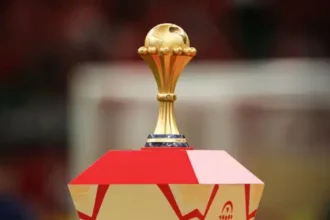
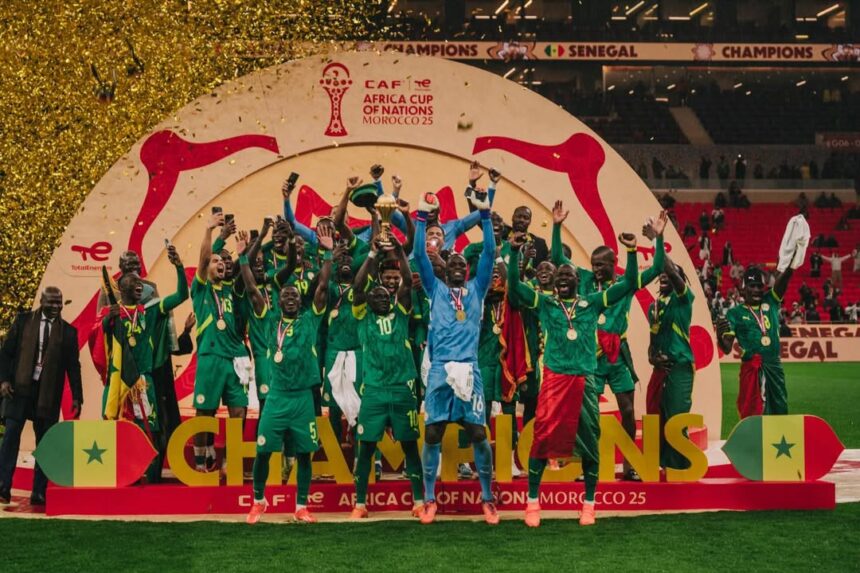
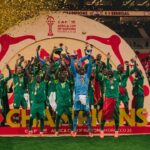
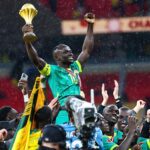
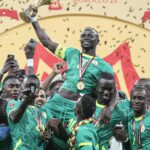
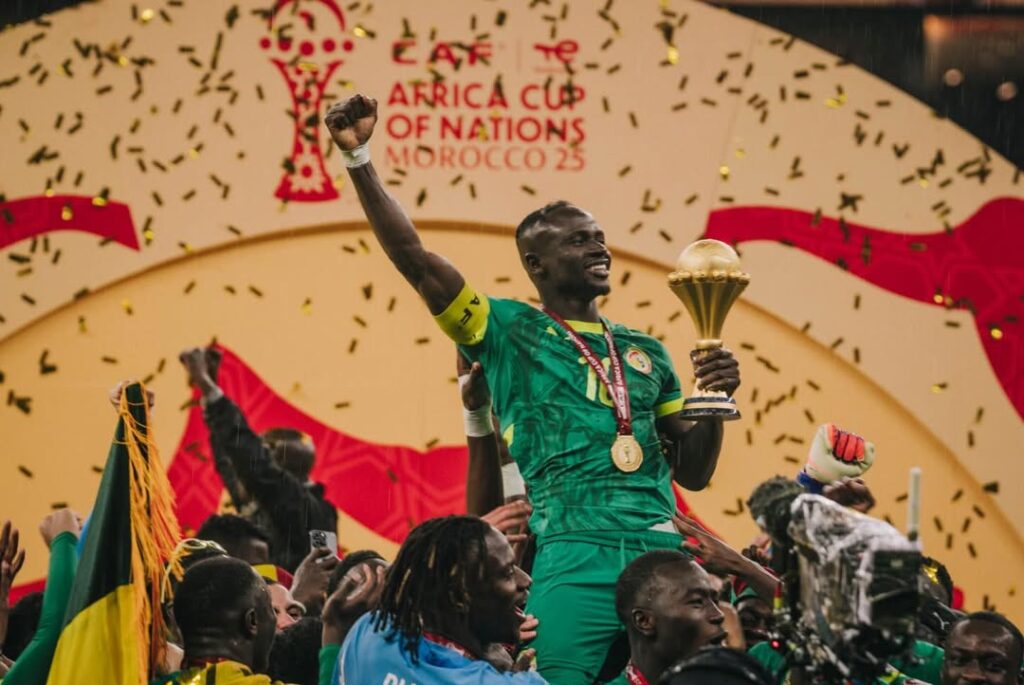
Ten months after one of the most chaotic nights in African football history, the Court of Arbitration for Sport (CAS) has spoken—and the Africa Cup of Nations (AFCON) 2025 trophy belongs once again to Senegal.
In a unanimous ruling delivered in Lausanne, Switzerland, on Tuesday, November 24, 2026, the three-man CAS arbitral panel set aside the Confederation of African Football (CAF) Appeal Board’s controversial decision to strip the Teranga Lions of their crown and confirmed Senegal’s 1–0 extra-time triumph over hosts Morocco.
Yet, within hours of the verdict, the Royal Moroccan Football Federation (FRMF) issued a defiant statement refusing to accept the outcome and vowing to pursue further legal action.
As the dust settles on a landmark day for international sports jurisprudence, the central question shifts from Rabat and Lausanne to Switzerland’s highest court: what exactly happened, what will Morocco do next, and what are its realistic chances of overturning the ruling?
More Read
From Rabat Chaos to Boardroom Reversal
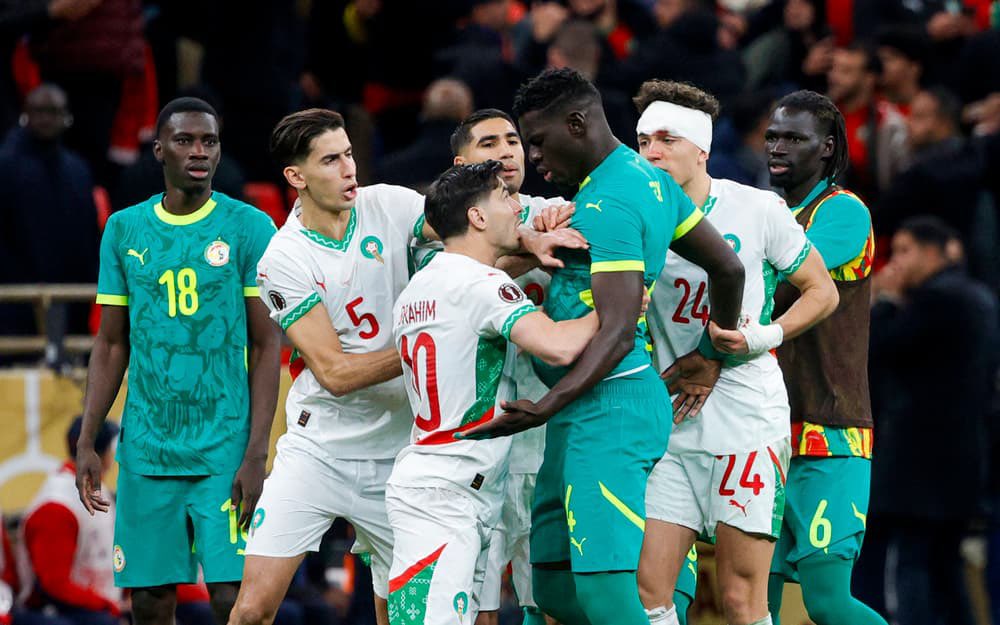
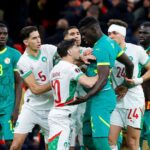
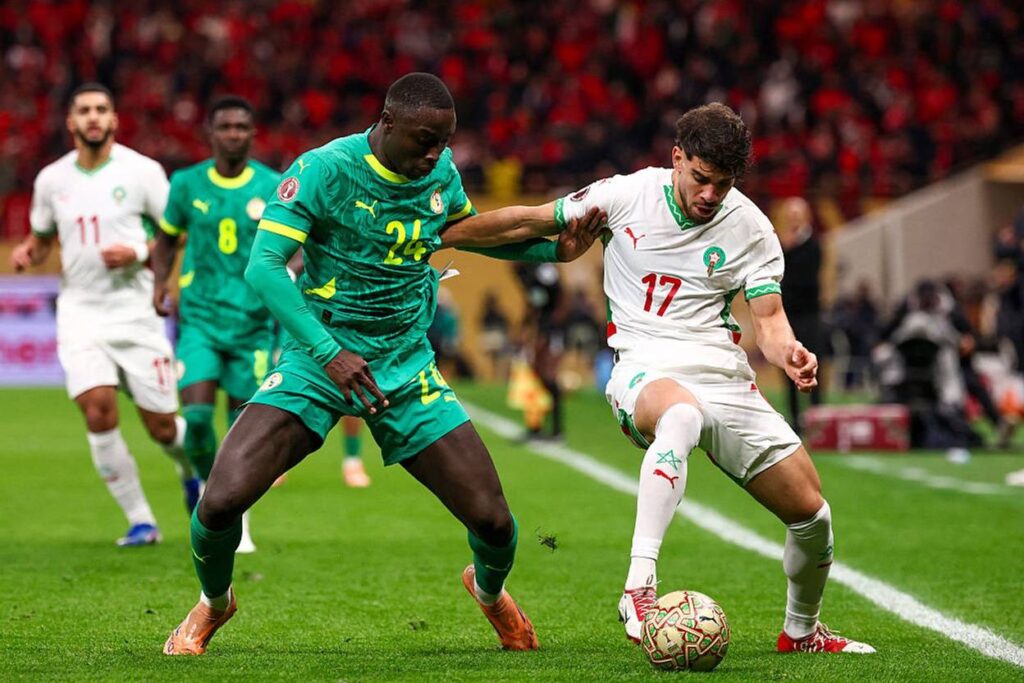
The saga began on January 18, 2026, at the Prince Moulay Abdellah Stadium in Rabat during the AFCON 2025 final. Locked in a tense goalless deadlock deep into second-half stoppage time—moments after Senegal had seen an Ismaila Sarr effort ruled out—Congolese referee Jean-Jacques Ngambo Ndala consulted VAR and awarded Morocco a dramatic late penalty following a challenge on forward Brahim Díaz by El Hadji Malick Diouf.
Furious at the decision, Senegalese head coach Pape Thiaw and the majority of his squad walked off the pitch in protest, halting the final for roughly 14 to 15 minutes amid mounting stadium tension. Only the intervention of veteran forward Sadio Mané persuaded his teammates to return to the turf so the match could conclude.
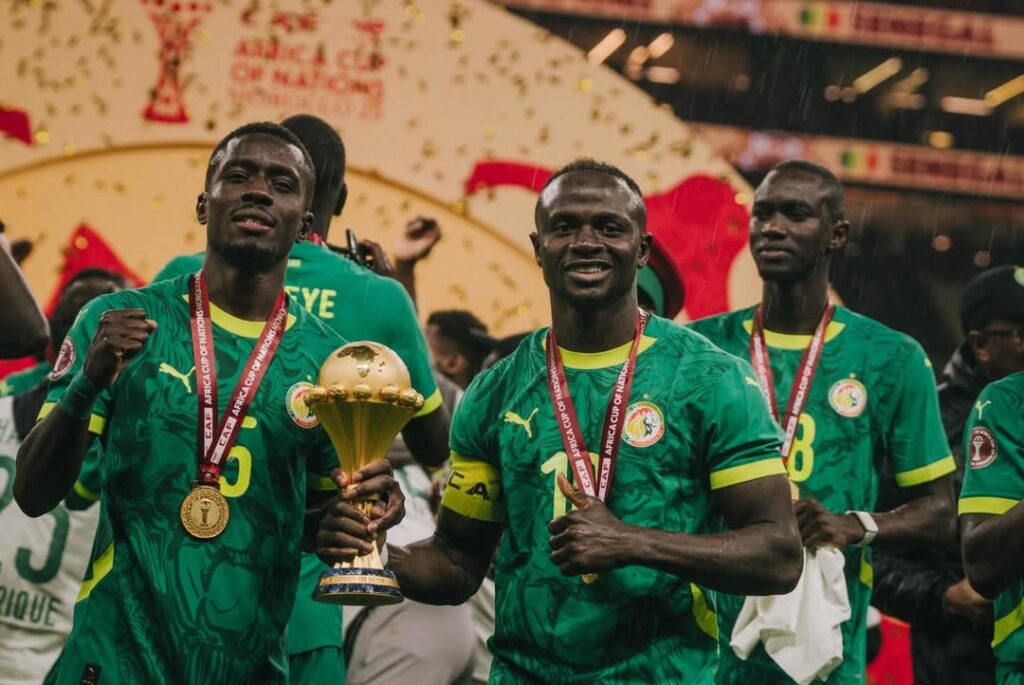
When play officially resumed at the 109th minute (90+19), Díaz attempted an audacious Panenka chip that Senegalese goalkeeper Édouard Mendy comfortably saved. Four minutes into extra time, midfielder Pape Gueye unleashed a thunderous strike into the top corner to seal a 1–0 victory and Senegal’s second continental crown.
Initially, CAF’s Disciplinary Board allowed the 1–0 result to stand while imposing heavy fines and suspensions on both federations, players, and coach Pape Thiaw. However, following an escalation by the FRMF, CAF’s Appeal Board reversed course in March 2026. Invoking Articles 82 and 84 of the AFCON regulations—which stipulate automatic forfeiture if a team leaves the pitch without the referee’s authorisation—CAF’s appellate body declared Senegal to have forfeited the match and awarded Morocco a 3–0 victory.
Why CAS Ruled in Senegal’s Favour
On March 25, 2026, the Senegalese Football Federation (FSF) took the dispute to CAS, culminating in a closed-door hearing in Lausanne on October 8.
In its ruling on November 24, the CAS panel—composed of Professor Gérald Simon (France), Professor Dr. Ulrich Haas (Germany), and Professor Luigi Fumagalli (Italy)—anchored its decision on the “field of play” doctrine. Under well-established sports law, CAS refrains from reviewing on-pitch decisions taken by match officials unless there is clear evidence of arbitrariness or bad faith.
The arbitrators ruled that:
• Referee Authority Is Supreme: Referee Jean-Jacques Ngambo Ndala acted strictly within his sole authority when he determined that conditions were met to restart the match rather than abandon it.
• Forfeiture Rules Were Inapplicable: Articles 82 and 84 of the AFCON Regulations apply solely when a team’s conduct forces a referee to call off a match permanently—not when play is officially resumed and completed on the pitch.
• Disciplinary Sanctions Stand: While restoring the 1–0 result, CAS left CAF’s separate financial and disciplinary sanctions against the FSF, Pape Thiaw, and involved players intact.
Morocco’s Next Move: The Road to the Swiss Federal Tribunal
In its strongly worded response, the FRMF expressed “astonishment and protest,” accusing CAS of ignoring recent FIFA and IFAB positions on unauthorised walkouts. More explosively, Morocco alleged that German arbitrator Ulrich Haas communicated with the President of the Senegalese Football Federation 48 hours before the verdict was issued—claiming CAS failed to take legal action over an alleged breach of procedural integrity.
Because CAS is headquartered in Lausanne, its decisions cannot be appealed on footballing merits to FIFA or any other sporting body. Morocco’s sole remaining legal avenue is an action to set aside (annul) the award before the Swiss Federal Tribunal (SFT)—Switzerland’s Supreme Court—under Article 190 of the Swiss Federal Private International Law Act (PILA).
To pursue this path, Morocco must:
File Within 30 Days: Because CAS has already transmitted the full reasoned grounds to the parties, the FRMF faces a strict 30-day statutory deadline to lodge its petition in Lausanne.
Invoke Narrow Procedural Grounds: The SFT refuses to re-examine how CAS interpreted IFAB laws or CAF tournament statutes. Consequently, Morocco’s entire legal strategy must rest on PILA Article 190(2)(a) and (d)—arguing that the arbitral panel was improperly constituted or lacked impartiality due to the alleged ex parte communication involving Professor Haas, and that refusing to investigate the protest violated Morocco’s right to be heard.
The Possible Outcomes—and Why the Odds Favour Senegal
While Morocco’s vow to fight on ensures the legal saga will stretch into mid-2027—the typical four-to-eight-month window for an SFT ruling—historical precedent heavily favours Senegal keeping its crown:
• Outcome 1: The SFT Dismisses the Appeal (Most Likely — Over 90% Probability). Historically, the Swiss Federal Tribunal dismisses approximately 92 to 93 percent of all challenges against CAS awards. Furthermore, the CAS decision was unanimous across all three arbitrators. To succeed, Morocco must present hard, admissible evidence—not mere suspicion—proving that an improper communication occurred and created an objective appearance of bias. Without concrete proof, the petition will be rejected and Senegal’s title permanently sealed.
• Outcome 2: The SFT Annuls the Ruling (Long Shot — Under 10% Probability). Even in the rare event that the Swiss Supreme Court finds credible proof of arbitrator impropriety and sets aside the award, the SFT cannot declare Morocco the AFCON 2025 champions. Switzerland’s top court only holds cassatory power: it would void the November 24 verdict and send the case back to CAS to be re-heard from scratch by a completely new panel of arbitrators.
For now, sports jurisprudence has reaffirmed a foundational principle: championships are decided between the white lines, and unless Morocco produces extraordinary proof of procedural misconduct in Lausanne, Senegal’s hard-won continental crown is secure.
© Bold Sports Media. All rights reserved. If sharing, kindly credit Bold Sports as the source and include a link to the original post. Unauthorised use is prohibited.