

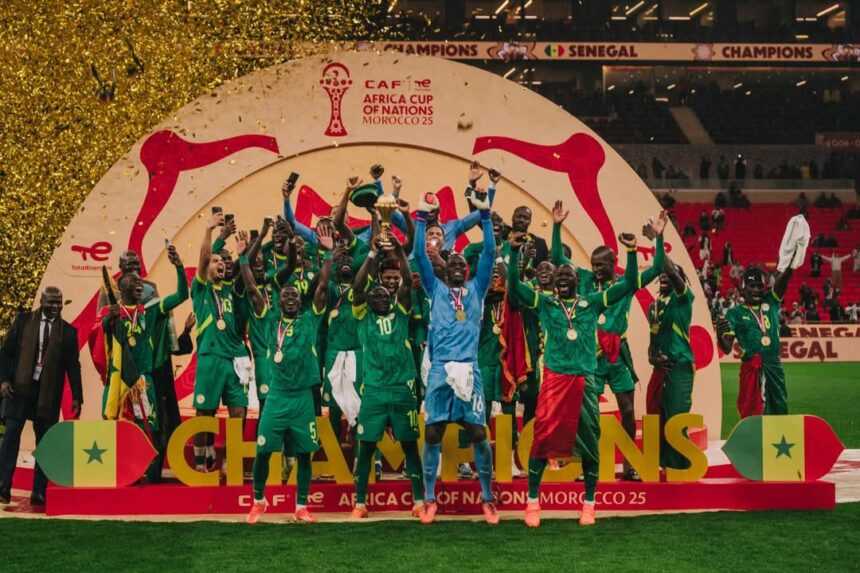
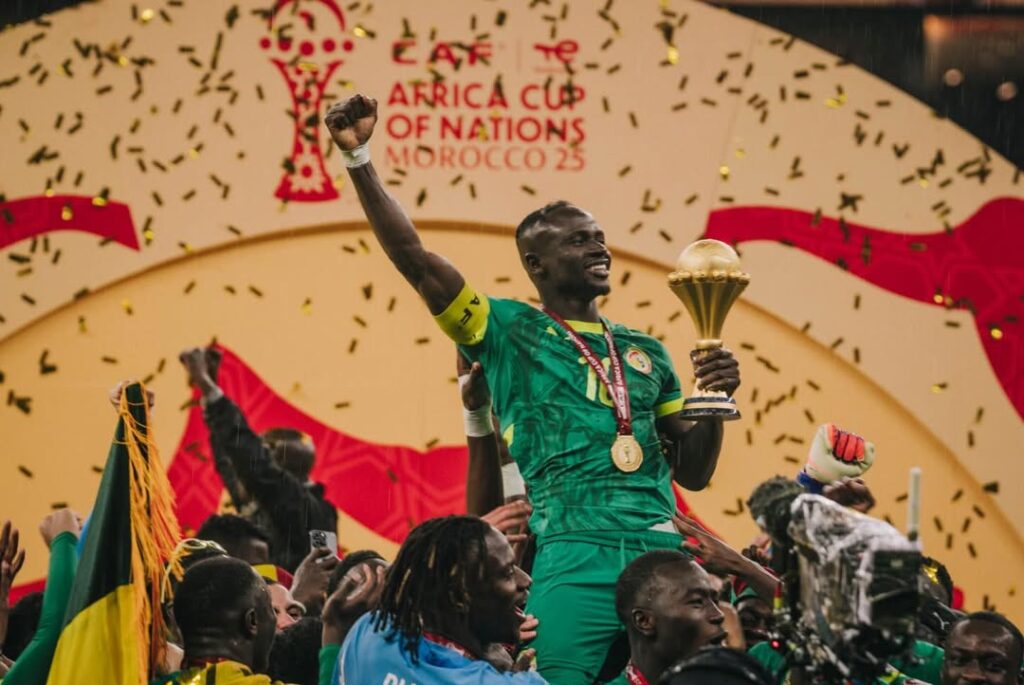
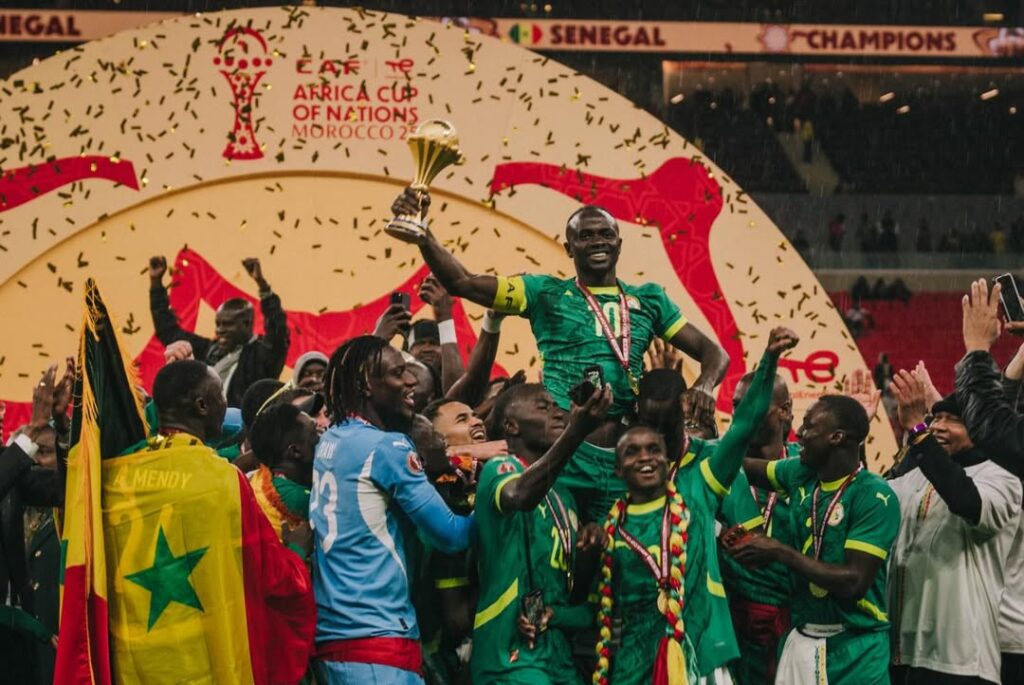
The Court of Arbitration for Sport (CAS) has reinstated Senegal as champions of the 2025 Africa Cup of Nations (AFCON), overturning the Confederation of African Football (CAF) Appeal Board’s decision to strip the Teranga Lions of the title and award it to Morocco.
In a historic ruling delivered on Tuesday, November 24, CAS upheld the appeal filed by the Senegalese Football Federation (FSF) against CAF and the Royal Moroccan Football Federation (FRMF), confirming Senegal’s 1-0 victory in the final played in Rabat.
The decision means the CAF Appeal Board’s ruling has been set aside, while the decision of the CAF Disciplinary Board has been reinstated, restoring Senegal’s status as African champions.
How the controversy started
More Read






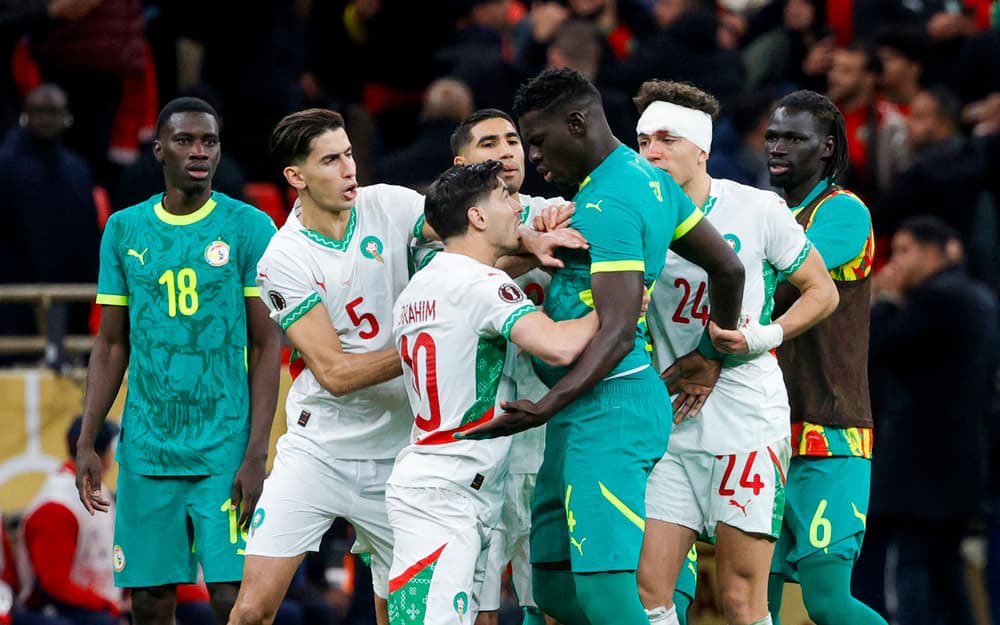
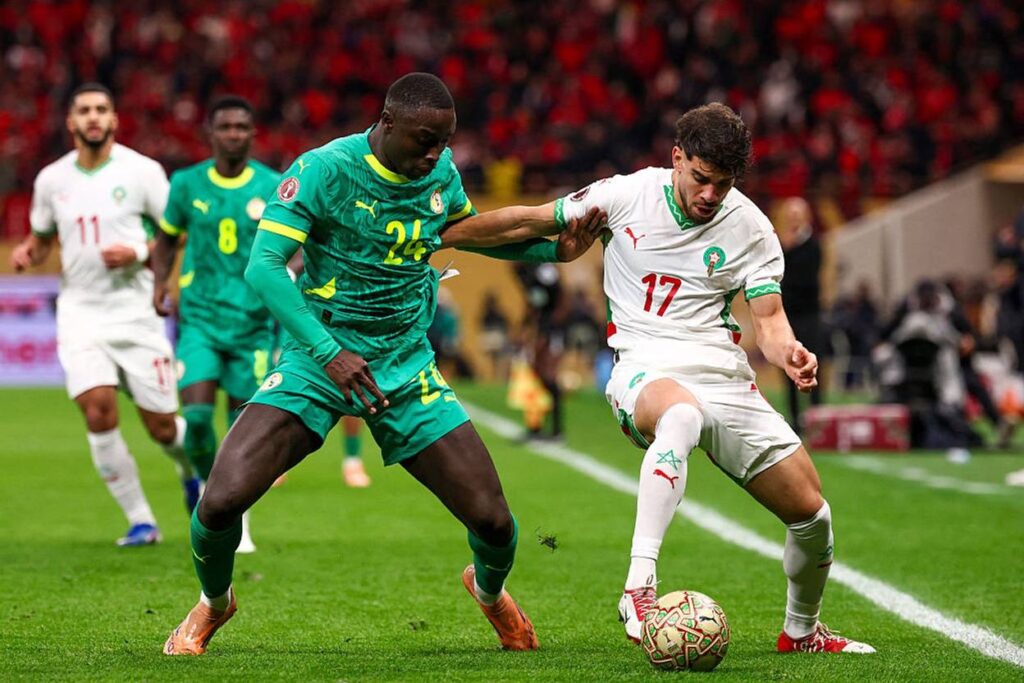
The controversy stemmed from the dramatic AFCON 2025 final between Senegal and hosts Morocco, which ended in a 1-0 victory for the Teranga Lions after Pape Gueye scored an extra time winner in a tense encounter.
Following a controversial late penalty awarded to Morocco, Senegal’s players walked off the pitch in protest for about 14 minutes, leading to a lengthy interruption before the game resumed and was eventually completed.
CAF later ruled that Senegal’s conduct amounted to a forfeiture of the match, invoking Articles 82 and 84 of the AFCON Regulations. The decision, announced on March 17, 2026, nearly two months after the final, stripped Senegal of the title and awarded Morocco a 3-0 victory.
Senegal rejected the ruling and appealed to CAS on March 25, insisting that the match had been allowed to resume and reach its conclusion under the referee’s authority.
Senegal’s argument at CAS
At the heart of Senegal’s appeal was the argument that the referee’s decision to restart the match at the 109th minute, following the players’ temporary departure from the pitch, and subsequently allow it to be completed with a sporting result, could not be overturned.
The FSF relied on the ‘field of play’ doctrine, a legal principle under which CAS generally refrains from reviewing decisions made by referees during a match, except in circumstances involving arbitrariness or bad faith.
Senegal argued that once the referee decided to restart the game and allow both teams to continue playing, the decision fell within his authority and could not subsequently be reversed through disciplinary proceedings that changed the result of the final.
Morocco’s counterargument
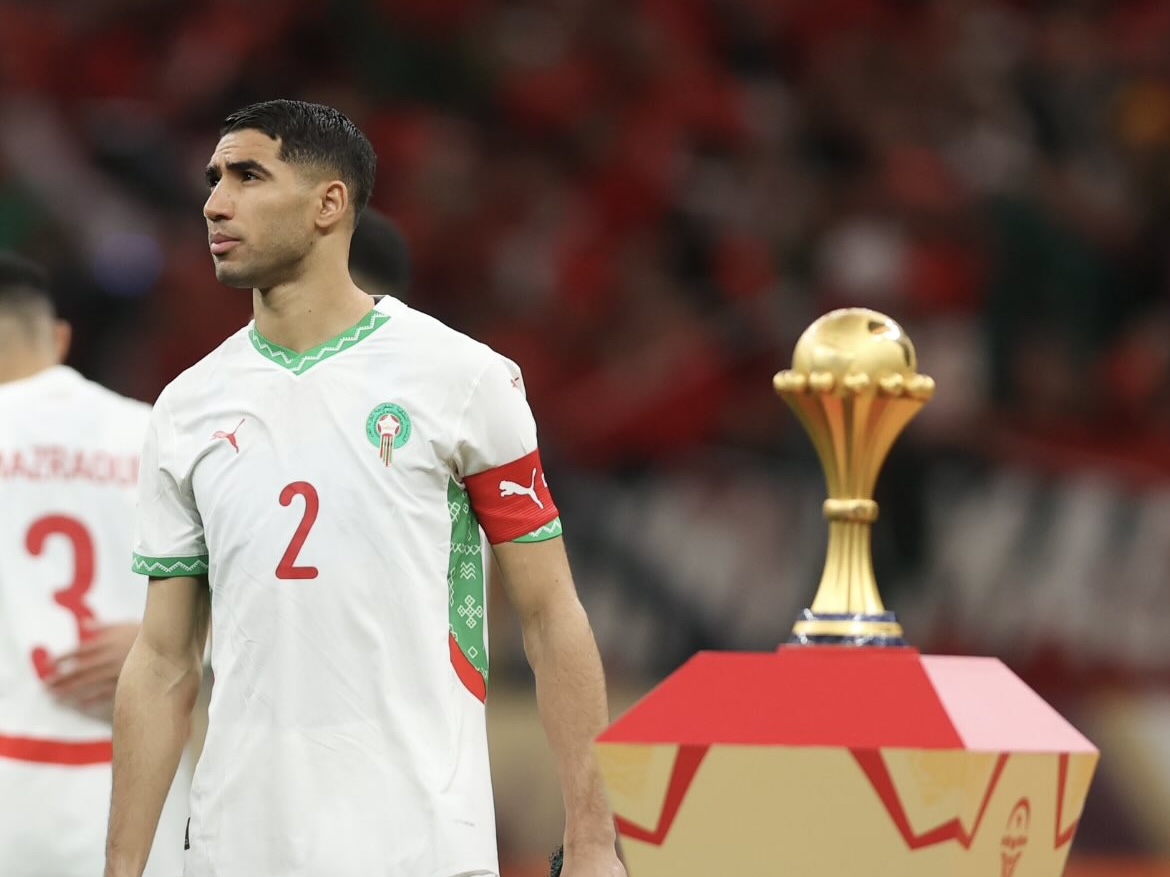
Morocco, on the other hand, argued that the referee’s decision was not protected by the ‘field of play’ doctrine because the matter concerned the disciplinary consequences of Senegal’s conduct rather than an ordinary decision made during the game.
The FRMF maintained that Senegal’s temporary walkout breached Articles 82 and 84 of the AFCON Regulations and should have resulted in the referee ending the match prematurely.
Morocco further argued that the referee had erred in law and that his decision to allow the game to resume was arbitrary, insisting that CAF’s decision to award them a 3-0 victory should stand.
Why CAS ruled in Senegal’s favour
After examining the arguments presented by both parties, the CAS panel concluded that the referee’s decision to either resume or stop the match fell exclusively within his authority.
The panel noted that by blowing his whistle to restart play, the referee had determined that the necessary conditions for the match to continue had been met. Both teams had returned to the pitch and expressed their willingness to resume the game.
CAS consequently determined that the effects of the referee’s decision were confined to the playing field, making it a decision protected under the ‘field of play’ doctrine.
The panel further ruled that Articles 82 and 84 of the AFCON Regulations were intended to determine the outcome of a match when a team’s conduct leads the referee to permanently abandon the game. Since the referee had restarted the match and allowed it to be completed, those provisions were not applicable to the circumstances of the final.
CAS therefore concluded that the referee did not commit an error of law by allowing the match to resume.
Referee’s decision not considered arbitrary
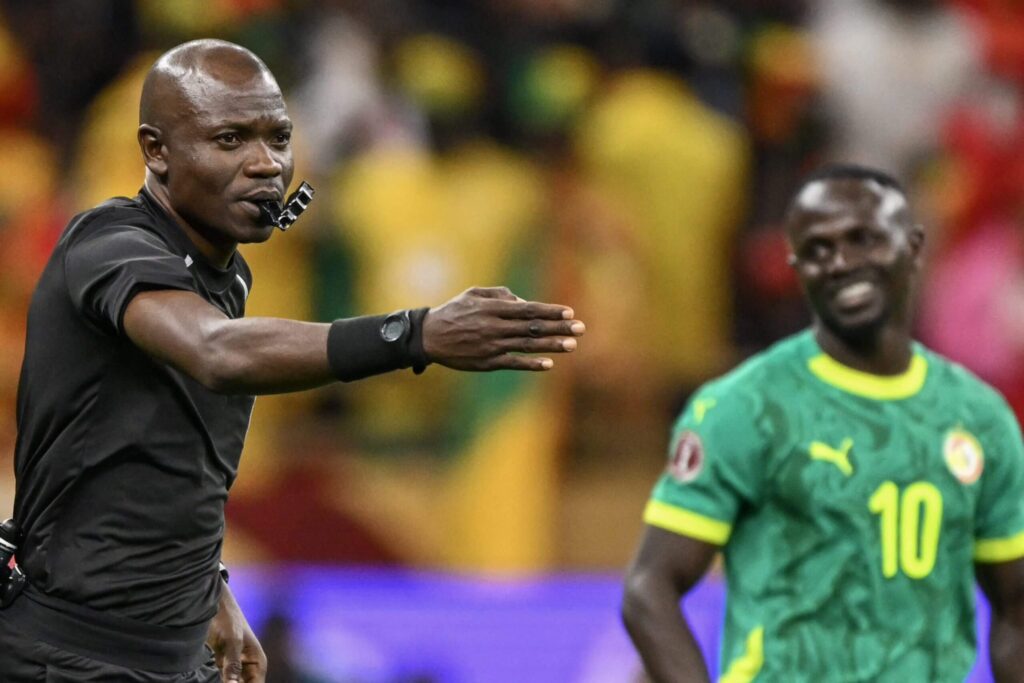
The panel also addressed Morocco’s claim that the referee’s decision was arbitrary, acknowledging that he had to make his judgment in an atmosphere of extreme tension.
However, CAS found no evidence that his decision had been influenced by factors external to the game, dismissing the argument that it was arbitrary.
The panel stressed that the difficult circumstances surrounding the incident did not, in themselves, justify questioning the referee’s judgment.
Previous disciplinary sanctions
CAS also noted that Senegal, head coach Pape Thiaw and certain players had already been sanctioned by CAF following separate disciplinary proceedings relating to the final.
The panel considered those disciplinary measures distinct from the question of whether the match result could be overturned on the basis of Senegal’s temporary walkout.
A unanimous decision
The appeal was unanimously upheld by the CAS panel, which was chaired by Professor Gérald Simon of France, with Professor Dr Ulrich Haas of Germany and Professor Luigi Fumagalli of Italy completing the panel.
The ruling brings an end to the months-long dispute over the AFCON 2025 title, restoring Senegal’s 1-0 victory and confirming the Teranga Lions as champions of Africa.
The Swiss Federal Tribunal, in a ruling dated January 23, 2026, also referenced the established ‘field of play’ doctrine, which states that CAS generally refrains from reviewing decisions taken by referees on the playing field unless there is evidence that the rules were applied arbitrarily or in bad faith.
With CAS now upholding Senegal’s appeal, the original result of the final stands, bringing the controversial title saga to a close.
© Bold Sports Media. All rights reserved. If sharing, kindly credit Bold Sports as the source and include a link to the original post. Unauthorised use is prohibited.