

By Anthony Raji, M.O.N.
The final whistle in Rabat announced a world champion. It also handed Nigerian football a responsibility.
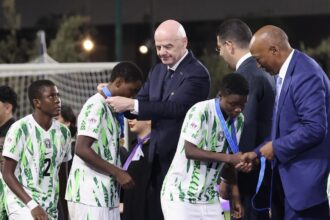
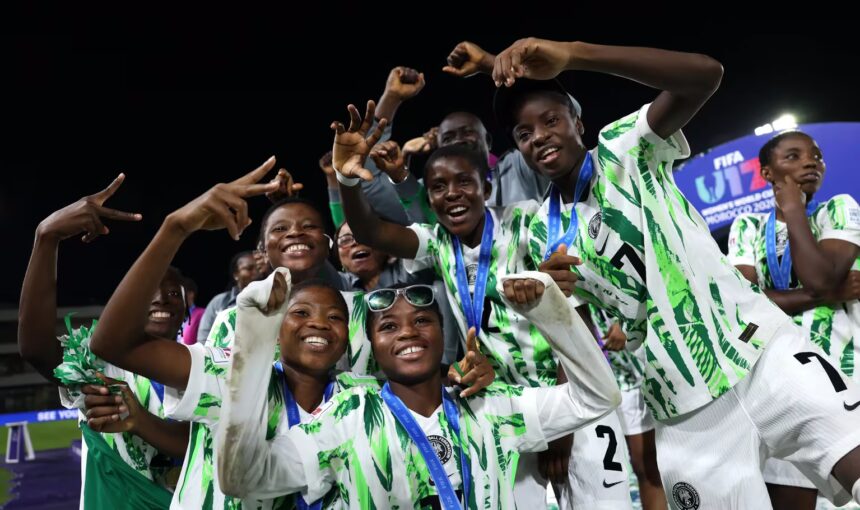
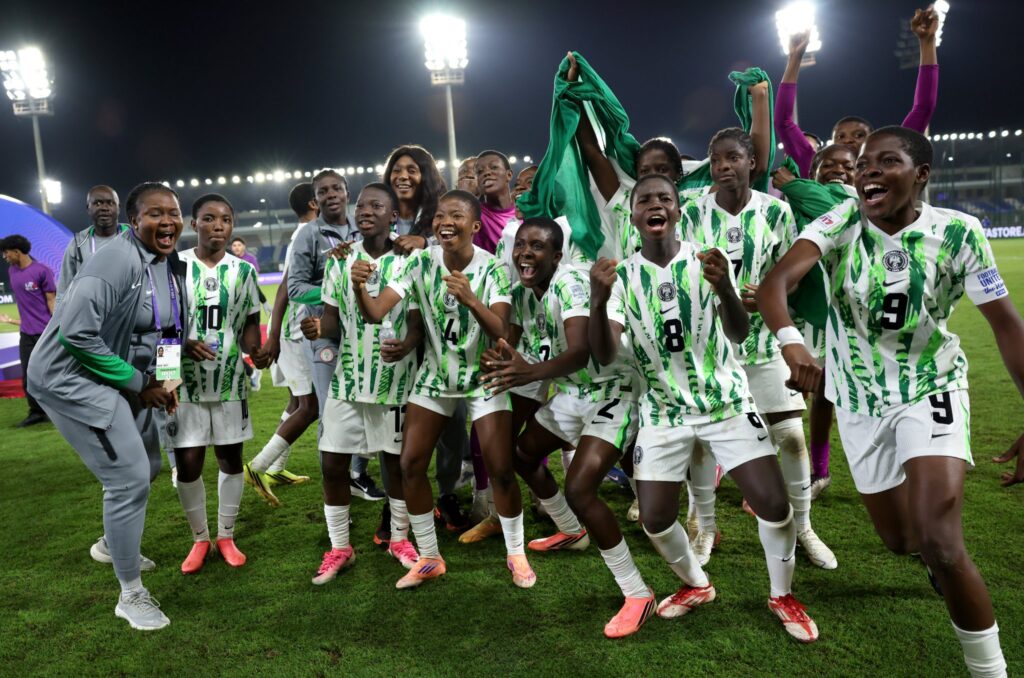
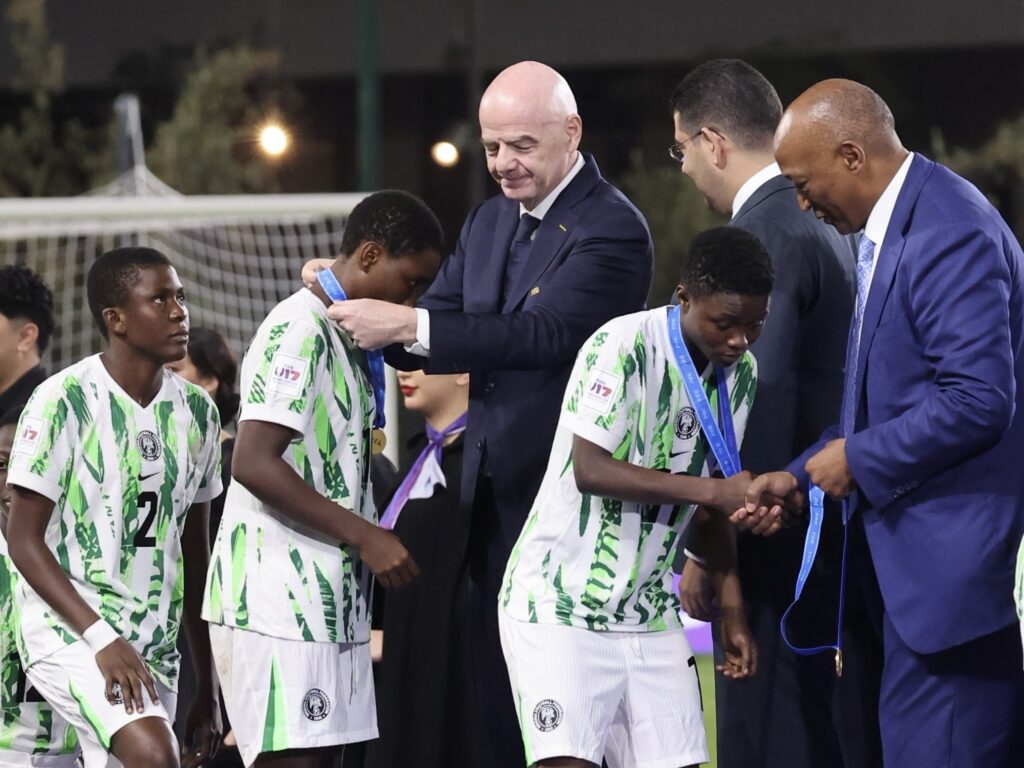
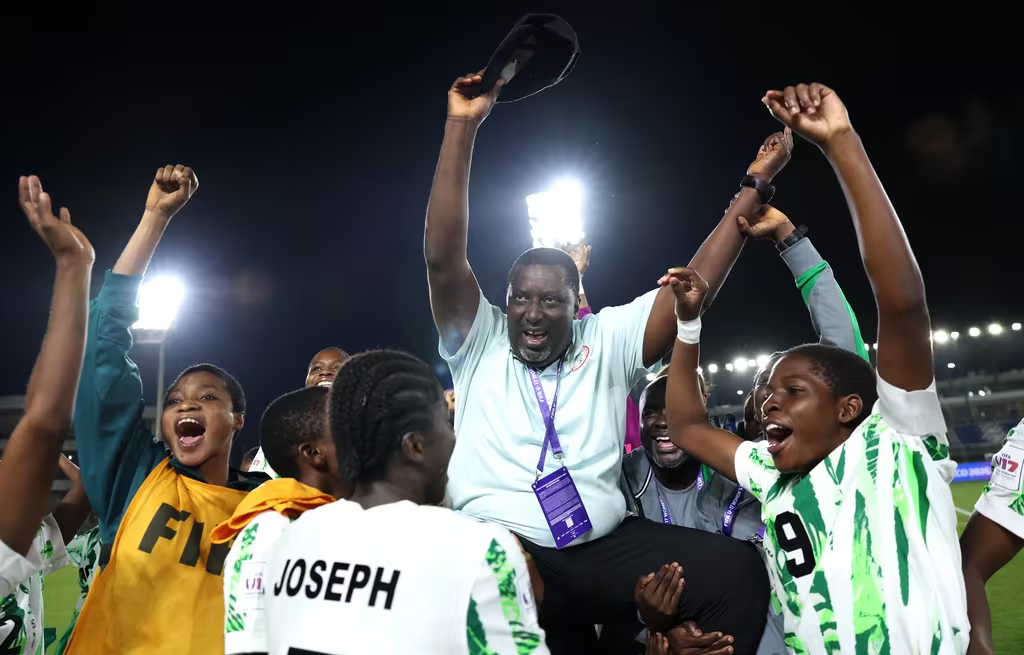
With their 2–1 victory over Japan on 7 November, the Flamingos won Nigeria’s first FIFA U-17 Women’s World Cup and became the first African women’s team to claim a FIFA world title at any level. These young footballers have given their country an extraordinary achievement and their continent a new landmark.
They have earned the applause, the homecoming and the rewards.
More Read






But when the celebrations end, what kind of future will be waiting for them?
That question should shape Nigeria’s response to this triumph. A youth World Cup trophy records what a team has achieved. Its lasting value depends partly on what the country helps those players become.
A turning point for Nigerian football
For Nigerian football, the victory arrives against a painful backdrop. The Super Falcons’ failure to qualify for the 2027 Women’s World Cup ended a record of participation stretching back to 1991 and prompted the Nigeria Football Federation to establish a fact-finding committee. Within months, the Flamingos have supplied a remarkable reason for renewed belief.
The senior disappointment and the youth triumph belong in the same conversation. Together, they underline the importance of connecting generations through a deliberate development pathway.
The Flamingos have illuminated what is possible. Their success should now sharpen the urgency of building that pathway.
Their journey itself deserves attention. Nigeria recovered from an opening defeat to Poland, progressing through a campaign that included victories over defending champions DPR Korea and, in the semi-final, Brazil. Against Japan, goals from Awawu Bashiru and Oluebube Umejiaku secured the crown despite a late Japanese response.
These were young players learning, responding and growing under pressure. Their achievement offers a useful reminder to a football culture often impatient with development: an early setback need not define the final destination.

What the victory mean for Africa
For Africa, the significance stretches beyond Nigeria’s borders.
A girl watching in Lagos, Nairobi, Accra or Johannesburg now has another concrete example of what she can aspire to achieve. An African team has reached the summit of a global women’s competition. The continent’s place in the game has acquired a powerful new reference point.
The challenge is to make that inspiration accessible. A girl inspired by the Flamingos needs somewhere safe to play, someone qualified to coach her and regular opportunities to compete. Otherwise, the distance between what she sees on television and what she can experience in her community remains too wide.
This is where the Nigeria Football Federation and the National Sports Commission should make specific, complementary commitments.
The NFF should take responsibility for the football pathway. The NSC should help secure the public support, partnerships and accountability needed to sustain it.
The NFF’s role in developing the players
The first task for the NFF should be a development plan for every member of this squad.
Within 90 days, the federation should work with the players, their families and clubs to establish individual plans covering training, competitive opportunities, education, medical care and welfare. Each player should have a named contact responsible for following her progress, with reviews at least every six months.
These records should be protected, particularly because the players are minors. The purpose is continuity of care and development.
Winning a World Cup should never leave a young footballer to navigate sudden public attention, contract offers and career decisions alone.
The NFF should also establish a formal link between the technical teams of the Flamingos, Falconets and Super Falcons. Coaches should share assessments, agree development priorities and organise appropriate opportunities for players to gain experience at the next level.
Progression must remain based on readiness. Some players will develop quickly; others will need time. A world title should open opportunities while preserving the patience young careers require.
The federation should then work with the Nigeria Women Football League, clubs and state football associations to strengthen the competitive environment these players return to. That means reliable fixtures, suitable youth competitions and coordination between club and national-team programmes.

A national camp cannot provide everything a developing player needs. Much of the work happens during the months between international assignments.
There is already a foundation to build upon. The NFF has launched a FIFA Talent Development Scheme for girls. This victory should give that work greater reach and clearer measures of progress, including participation, coaching provision and opportunities for regular competition.
Safeguarding should run through the entire programme. Players and parents need accessible guidance on representation, contracts, transfers, image rights and reporting concerns. Independent advice should be available before important career decisions are made.
The federation should also invest in the people developing the next generation: coaches, medical personnel, scouts and welfare officers, with deliberate opportunities for more women to enter those roles.
The NSC’S role in funding and support
The NSC’s contribution should give these football commitments a durable support structure.
Working with the NFF, it should help assemble a costed, multi-year legacy programme with identified funding sources, delivery dates and published progress reports. Government commitments should specify what has been approved, when funds will be released and what the expenditure is expected to achieve.
Annual budgeting should cover development between tournaments, including medical support, coaching and suitable competition. Preparations for the next major event should begin from a functioning programme.
The NSC should also bring education authorities, state governments and willing private partners together around scholarships and flexible learning arrangements. These players should be able to pursue football while continuing their education, with support that can follow them through changes in club, location or career circumstances.
For young athletes, education provides confidence, choice and protection against the uncertainty that accompanies every sporting career.
Facilities offer another practical area for NSC coordination. Working with states, schools and the NFF, the commission should identify existing venues that can host regular girls’ football. Access, maintenance, safe changing facilities and qualified supervision should take priority.
A pitch already serving a community can become far more valuable through reliable access and proper management. The immediate opportunity is to make more places usable for girls.
The NSC should also help turn corporate interest into sustained investment. Sponsors can support regional development centres, scholarships, coaching courses, medical services and competitions. Agreements should carry clear commitments so that the value extends beyond a presentation ceremony.
Keeping women’s football visible
The NFF, meanwhile, should give those investments visibility through a stronger communications programme.
Supporters should be able to follow the players’ development, discover their clubs and understand the competitions that sustain them. Broadcasters and digital publishers should be encouraged to cover women’s football consistently. Any use of young players’ stories and images must respect their welfare, consent and privacy.
There is commercial value in building an audience that remains engaged after the trophy has been lifted. There is also a national benefit in allowing these athletes to be recognised for the full substance of their work.
How the NFF and NSC should report progress
Within six months, the NFF and NSC should publish a joint update stating what has been funded, what has begun and what remains outstanding. Subsequent reports should track practical outcomes: players receiving support, girls entering organised football, coaches trained and competitions delivered.
Accountability will give the celebrations credibility.
The wider African lesson is equally clear. Federations across the continent should treat this victory as encouragement to invest in their own girls’ programmes. Nigeria’s breakthrough can help raise ambition, but ambition needs training grounds, coaches, competition and patient institutional support.
For now, the Flamingos deserve to enjoy what they have earned. Their achievement belongs first to them, their coaches and those who supported their journey.
They have given Nigeria joy and Africa a historic breakthrough.
The strongest tribute will be visible years from now: in the careers they build, the education they complete, the welfare they receive and the opportunities available to girls following behind them.
They have lifted the trophy.
Now Nigeria must help lift their future.
© Bold Sports Media. All rights reserved. If sharing, kindly credit Bold Sports as the source and include a link to the original post. Unauthorised use is prohibited.