

Every Africa Cup of Nations has been decided by moments, a thunderous strike, a defensive clearance, a penalty held or missed. But at the centre of every moment sits the same silent witness: the ball.
Often overlooked, AFCON’s official match balls have quietly told the story of the tournament itself. From symbols of tradition to tributes steeped in local culture, these balls have reflected Africa’s football journey, identity and its growing confidence on the global stage.
In the early 1990s, African football was still aligning itself with the world’s elite competitions. The use of the Etrusco Unico at the 1992 tournament, a ball already made famous by the 1990 FIFA World Cup, symbolised ambition. Its classical design connected AFCON to global football traditions, sending a clear message that Africa’s game belonged on the same stage.
By 2008 in Ghana, the tournament had found its own cultural voice. Adidas introduced Wawa Aba, named after an Adinkra symbol meaning “seed of the wawa tree,” a powerful metaphor for strength and endurance in Ghanaian tradition. The ball was no longer just functional; it was expressive, rooted in the host nation’s heritage, and reflective of the physical and emotional demands of African football.
More Read






The influence of global football reached a peak in 2010 when AFCON in Angola adopted the Jabulani Angola, a variation of the ball that dominated the World Cup in South Africa. Unpredictable and controversial, it became part of African football folklore, adding drama and debate to a tournament that has never lacked intensity.
Unity and connection took centre stage in 2012 with the Comoequa, named after the Como River flowing through co-hosts Gabon and Equatorial Guinea. Chosen through an online competition, the ball reflected a tournament embracing interaction, shared identity, and modern engagement. Three years later, Marhaba, meaning “welcome” in Arabic, marked the end of Adidas’ long association with AFCON, closing an era with a symbol of hospitality and togetherness.
A new chapter began in 2017 when Mitre supplied the Delta Hyperseam, followed in 2021 by Umbro’s Toghu, a ball inspired by the traditional royal attire of Cameroon’s Grassfields people. These designs signalled a deeper commitment to storytelling through football equipment, weaving local culture directly into the fabric of the game.
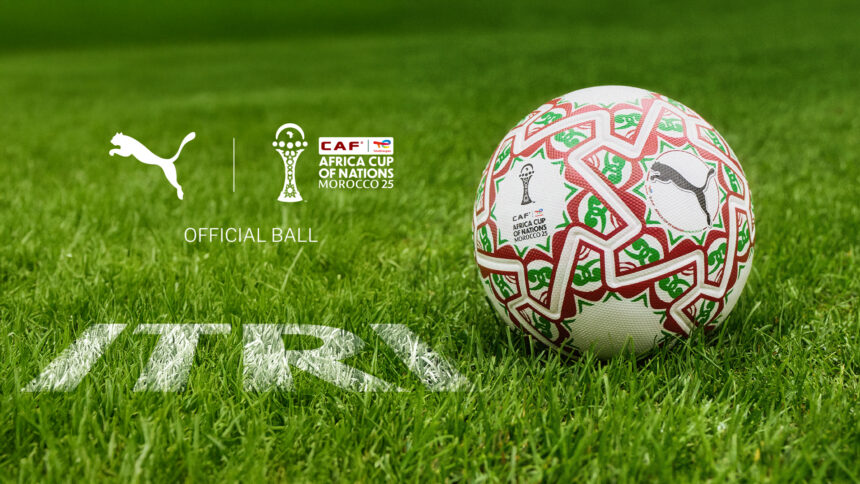
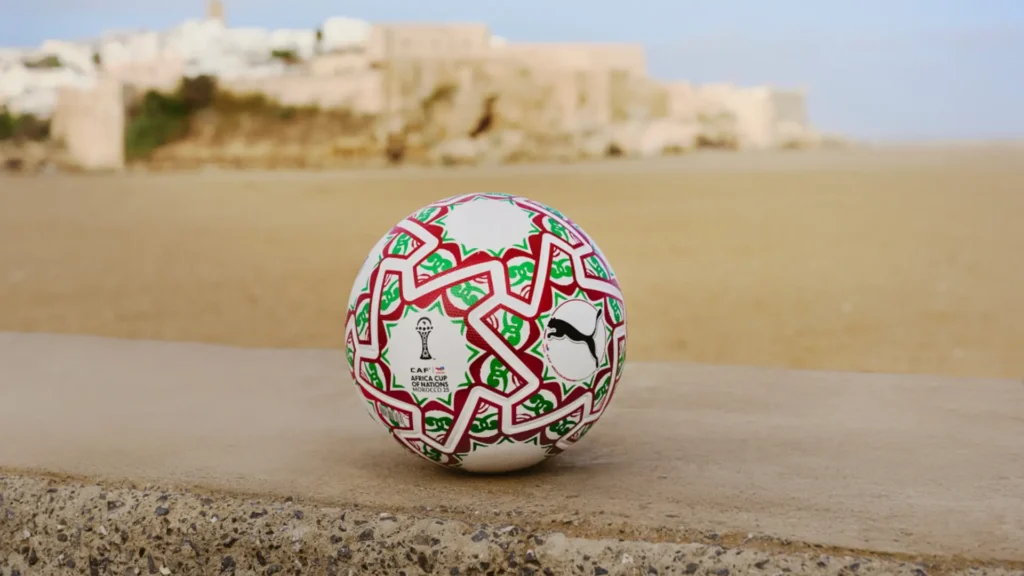
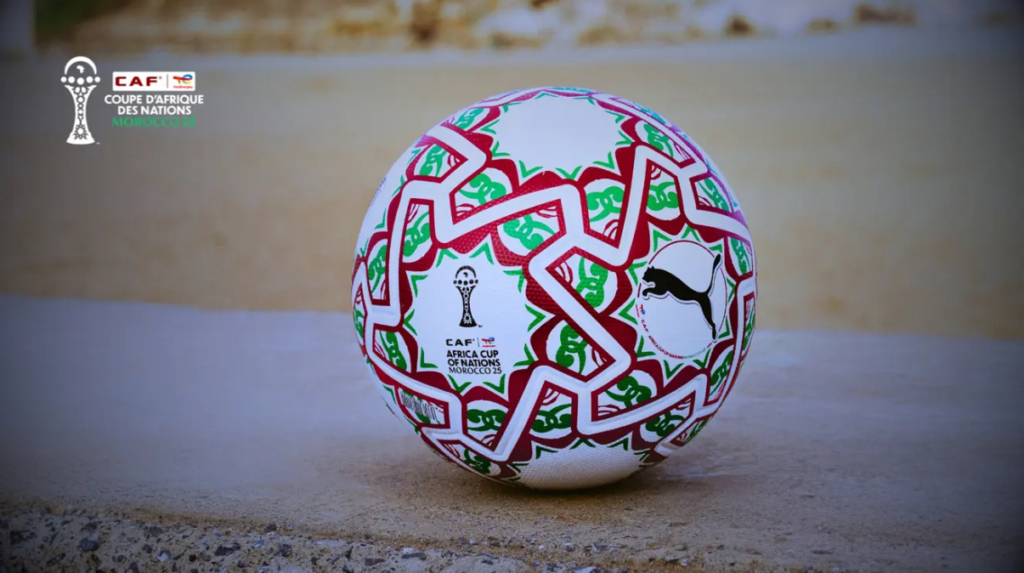
AFCON 2023 ushered in another milestone with Puma’s debut ball, Pokou, named in honour of Ivorian legend Laurent Pokou, before Morocco 2025 unveiled Itri, meaning “star” in the Amazigh language and decorated with traditional zellij patterns.
Together, they reflect a tournament confident in celebrating its heroes, its cultures, and its future. More than match balls, they are rolling symbols of Africa’s football journey, carrying history forward with every kick.
© Bold Sports Media. All rights reserved. If sharing, kindly credit Bold Sports as the source and include a link to the original post. Unauthorised use is prohibited.