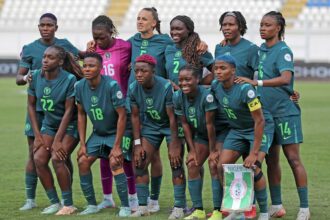


The Super Falcons have little time to recover from one of the biggest shocks in Women’s Africa Cup of Nations history.
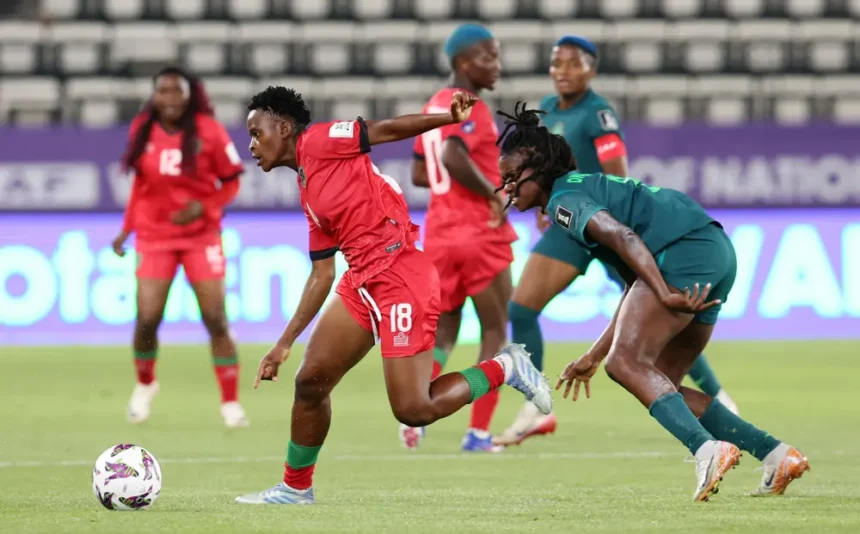
Nigeria began their title defence with a 3-2 defeat to tournament debutants Malawi, conceding three goals during a damaging final 20 minutes at the Al Madina Stadium in Rabat.
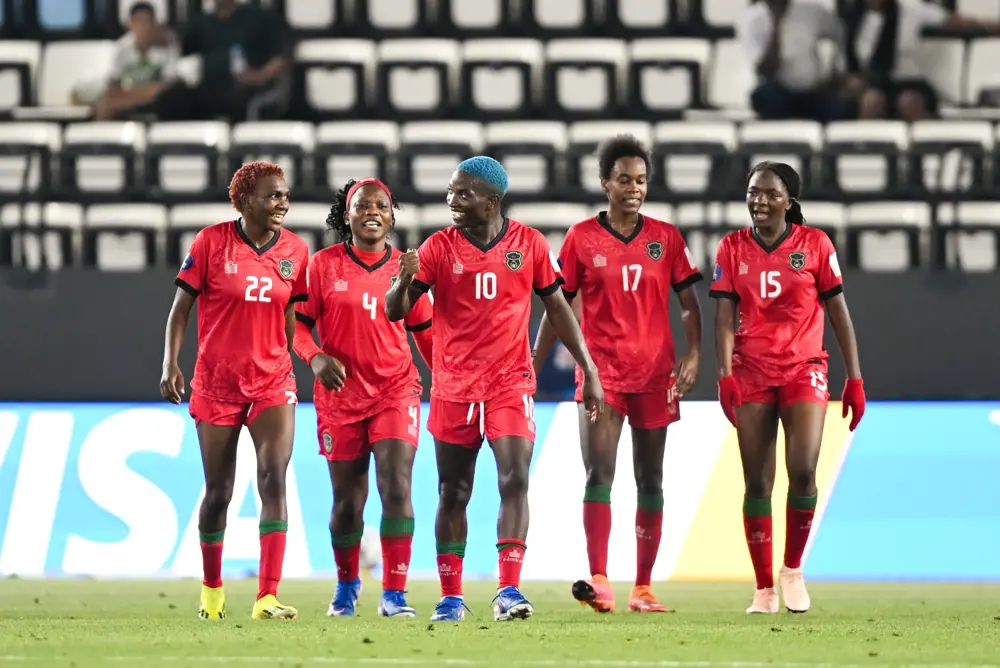
Temwa Chawinga scored twice, while her sister Tabitha added Malawi’s second goal. Rasheedat Ajibade and Uchenna Kanu responded late for Nigeria, but the champions had already lost control of the contest.
The result leaves Nigeria under considerable pressure before Saturday’s meeting with Zambia.
More Read






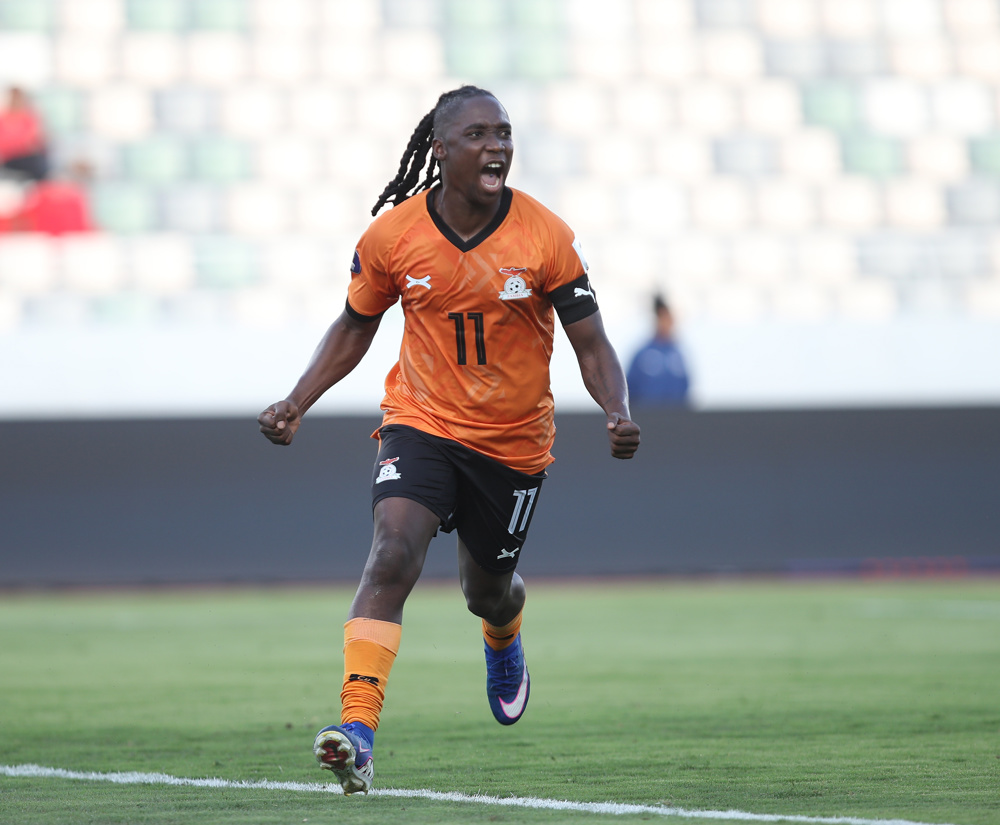
While the Super Falcons struggled, Zambia opened their campaign with a 6-0 victory over Egypt. Captain Barbra Banda scored four goals and provided an assist, contributing directly to five of the Copper Queens’ six goals.
Nigeria defeated Zambia 5-0 in the quarter-finals of the previous WAFCON, but that result will offer little protection on Saturday. The Super Falcons must first correct the weaknesses exposed by Malawi.
Protect the spaces behind the defence
Nigeria’s biggest problem against Malawi was not simply the number of goals conceded. It was the manner in which the opportunities were created.
The Super Falcons enjoyed spells of possession, particularly during the first half, but became increasingly vulnerable whenever the ball changed hands.
Malawi remained compact, absorbed Nigeria’s pressure and waited for opportunities to release the Chawinga sisters into space. Once the game became stretched, Nigeria struggled to recover their defensive shape.
There was too much distance between the midfield and the back line. The full-backs were also left exposed when Nigeria lost possession, allowing Malawi to attack areas that should have been protected.
That cannot happen against Zambia.
Banda is powerful enough to hold off defenders, quick enough to attack space and intelligent enough to move away from markers. Racheal Kundananji provides another dangerous option, while Zambia also have runners capable of joining attacks from deeper positions.
Nigeria must avoid sending both full-backs forward at the same time. When one advances, the other should remain connected to the centre-backs, while a defensive midfielder provides protection in front of them.
The Super Falcons also need a quicker reaction immediately after losing the ball. The nearest players must either regain possession or delay Zambia’s counterattack long enough for the rest of the team to recover.
Giving Banda open space to attack would be the fastest route to another defeat.
Stop the supply, not only Banda
Much of the attention before the match will understandably be on Banda.
Trying to mark her with two defenders throughout the match, however, could create space for Zambia’s other attackers.
Nigeria must instead reduce the quality and frequency of the service reaching her.
That means applying pressure to Zambia’s midfielders before they can lift their heads and play forward. It also means preventing crosses from wide positions and tracking runners who move beyond Banda when she drops towards the ball.
The Super Falcons cannot allow Zambia to make simple passes into the inside channels between the full-backs and centre-backs.
The responsibility will not belong to the defenders alone. Nigeria’s forwards and midfielders must form the first line of protection.
If Zambia are allowed to play through midfield without pressure, the Nigerian defence will spend the match retreating towards its own goal.
Restore balance to the team selection
Justin Madugu faced criticism after using some players outside their preferred positions against Malawi, particularly Michelle Alozie at left-back.
The coach defended the decision, arguing that the versatility of his players was not responsible for the goals Nigeria conceded. He nevertheless accepted responsibility for the defeat and described it as a wake-up call.
It would be unfair to blame one player or one position for a collective collapse.
The more important question is whether the arrangement gave Nigeria the balance required to attack without becoming vulnerable.
Versatility can be useful, but every adjustment affects another area of the team. A full-back playing on an unfamiliar side may naturally move into different spaces, while the winger ahead of her may need to provide more defensive support.
Against Zambia, Madugu must select a team whose roles complement one another.
Nigeria need defenders who are comfortable protecting wide areas, midfielders who can cover ground quickly and attackers willing to press when possession is lost.
The coach does not need to discard his entire plan after one defeat. He does, however, need to ensure that each player understands where she should be when Nigeria have the ball and where she must recover when the team lose it.
Make possession more purposeful
Nigeria had periods of control against Malawi but struggled to turn possession into clear chances.
The ball often moved across the defensive and midfield lines without enough penetration. Malawi were comfortable allowing Nigeria to circulate possession in areas that did not threaten their goal.
That must change against Zambia.
The Super Falcons need quicker passing, better movement between the lines and more runners attacking the penalty area.
Jennifer Echegini and Rasheedat Ajibade are capable of receiving the ball in tight spaces, turning and driving towards goal. Nigeria must find ways to get them involved higher up the pitch rather than forcing them to collect possession too far from the attacking areas.
The wide players also need to offer more than simple crosses into a crowded penalty area. Nigeria should look for combinations, cutbacks and switches of play that force Zambia’s defenders to turn and make decisions.
Moving the ball slowly will allow the Copper Queens to settle into their defensive structure. Nigeria must circulate possession with enough speed to create openings before Zambia can regroup.
Give the attack enough support
Nigeria’s late goals showed that Malawi could be placed under pressure when the Super Falcons committed more players forward.
The problem was that the urgency arrived too late.
Uchenna Kanu’s goal after coming from the bench strengthens the case for Madugu to consider changes in attack. Her movement, physical presence and willingness to enter the penalty area could be useful against Zambia.
The decision should not simply be about replacing one striker with another.
Nigeria’s central forward needs support. The wide players and attacking midfielders must get closer to the striker so that attacks do not end with one player surrounded by several defenders.
The Super Falcons must also press as a unit. One forward chasing the ball alone will not disrupt Zambia’s build-up. The distances between Nigeria’s attackers must be short enough for them to close passing options together.
Madugu has several experienced forwards available. The priority should be selecting the combination that provides movement, intensity and balance rather than relying solely on reputation.
Manage the decisive moments
Nigeria’s collapse against Malawi was concentrated in the final stages of the match.
Temwa Chawinga opened the scoring in the 73rd minute. Tabitha doubled the advantage six minutes later. Nigeria pulled one back through Ajibade in stoppage time, but instead of sustaining the pressure, the Super Falcons conceded again before Kanu scored their second goal.
That sequence showed a failure to manage changing match situations.
After conceding the first goal, Nigeria became increasingly open in their search for an equaliser. The desire to respond was understandable, but the team lost its structure and gave Malawi the conditions they wanted.
Even after reducing the deficit, Nigeria failed to protect themselves from another counterattack.
Against Zambia, the Super Falcons must remain composed regardless of the score.
If Nigeria take the lead, they must know when to control possession and when to attack. If they fall behind, they cannot allow urgency to become disorder.
Tournament football is often decided by short periods of concentration. Nigeria cannot afford another spell in which the entire match escapes from them.
Respect Zambia without playing in fear
Nigeria’s 5-0 victory over Zambia in the previous WAFCON quarter-final remains one of the Super Falcons’ strongest recent performances.
That match showed what Nigeria can achieve when the team defend collectively, compete strongly in midfield and attack with purpose.
But Zambia have also beaten Nigeria in a WAFCON medal match, winning the third-place play-off at the 2022 tournament.
Neither result will determine what happens on Saturday.
Nigeria must respect Zambia’s attacking quality without becoming so focused on Banda that they abandon their own strengths.
The Super Falcons remain capable of controlling the game. They have experienced defenders, athletic midfielders and several attackers who can trouble Zambia’s back line.
The challenge is to combine that talent within a clear and disciplined structure.
A response is now required
Madugu has promised that the technical crew will analyse the mistakes made against Malawi and work to correct them.
Chiamaka Nnadozie has also said the players accept responsibility for the performance, adding that although falls hurt, the team will not stay down.
The response must now be visible on the pitch.
Nigeria need a team that is compact without becoming passive, adventurous without losing its defensive balance and patient without playing slowly.
They must protect the space behind the defence, limit the service reaching Banda and create more meaningful opportunities with the possession they enjoy.
The Super Falcons have built their history on responding to difficult moments.
Saturday will show whether the defending champions are ready to do so again.
© Bold Sports Media. All rights reserved. If sharing, kindly credit Bold Sports as the source and include a link to the original post. Unauthorised use is prohibited.