

By Anthony Raji, M.O.N.
My verdict is that Nigeria will miss the 2027 Africa Cup of Nations.
That is a prediction of where this campaign is heading, rather than a declaration of mathematical elimination. The qualification door remains open. But the Super Eagles have offered too little consistency to inspire confidence that they will walk through it.
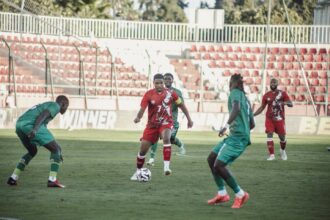
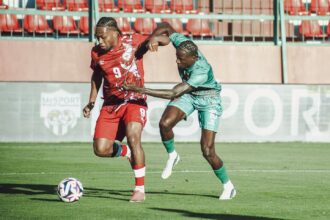
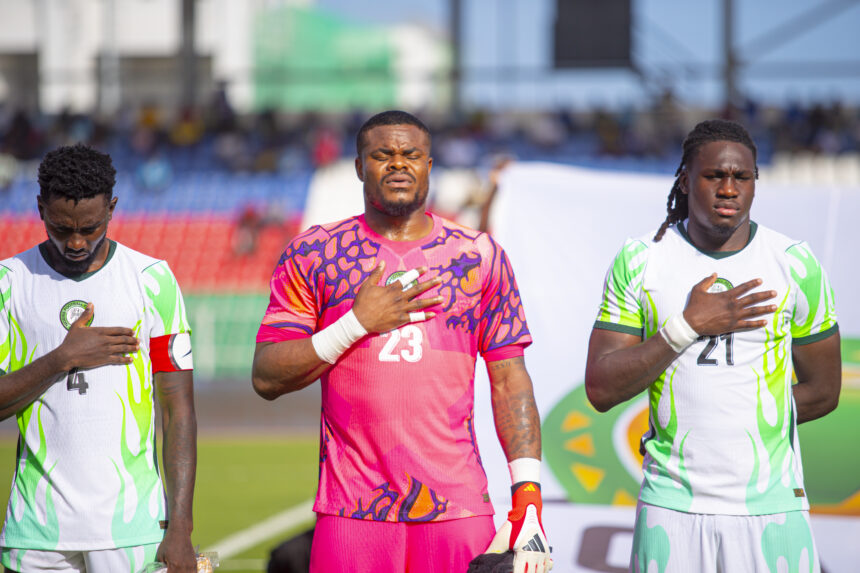
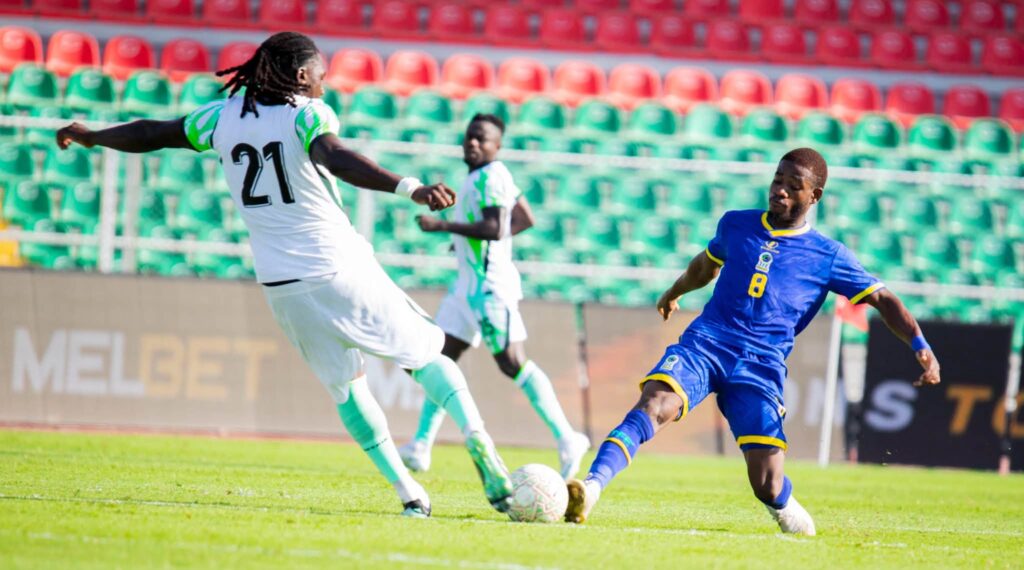
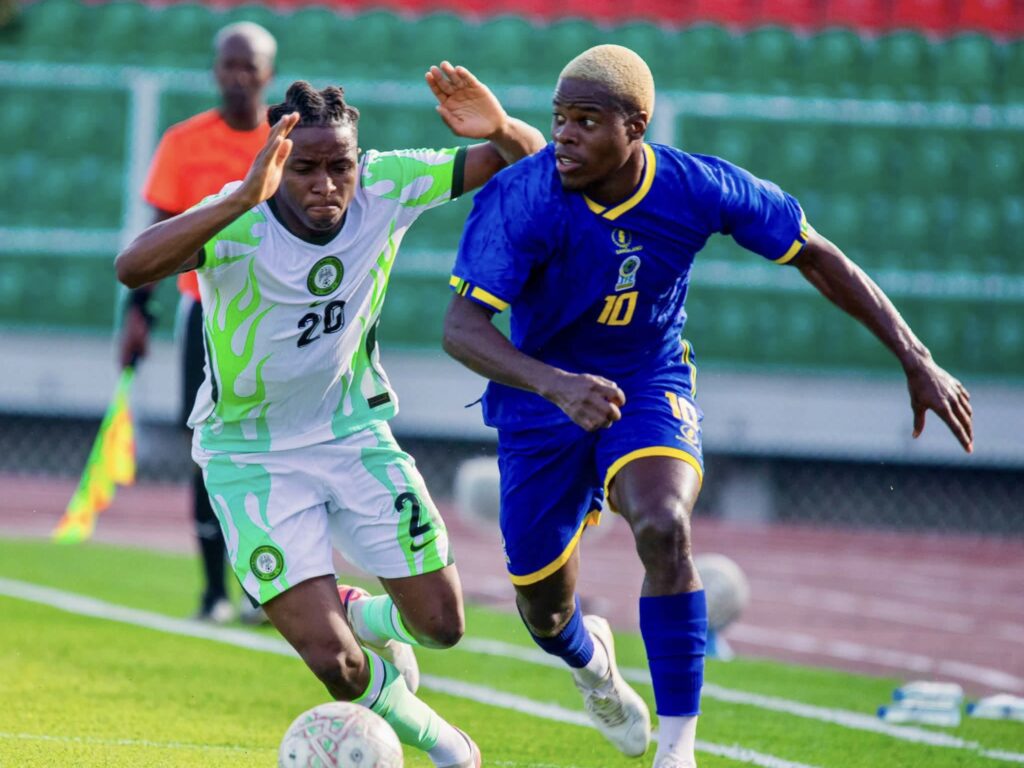
The goalless draw against Tanzania, coupled with Guinea-Bissau’s 2–0 victory over Madagascar, has brought Nigeria dangerously close to another costly failure. With Tanzania already qualified as co-hosts, only one qualification place is available to the other three countries in the group. Nigeria cannot find safety in second place behind Guinea-Bissau.
The National Sports Commission must now confront a difficult possibility: the present Super Eagles project may have reached the point where another rescue mission will merely postpone the rebuilding Nigerian football requires.
More Read




Nigeria should still fight for every remaining point. But the country’s football planning must extend beyond saving this campaign. Preparation for the AFCON edition after 2027 should begin immediately, as the central sporting objective of an outright reset.
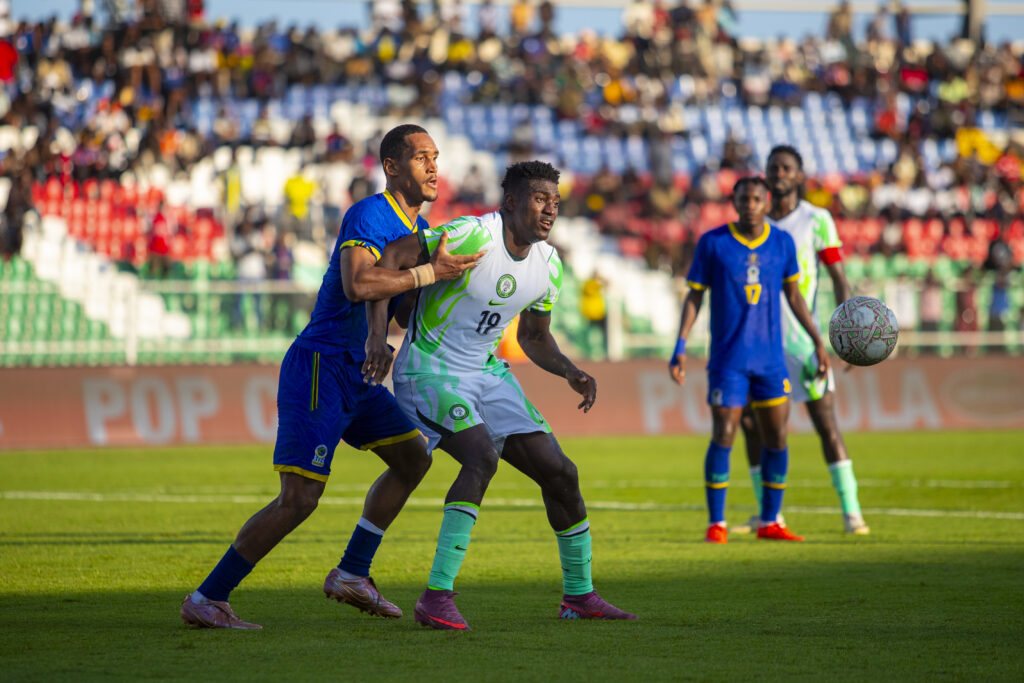
A campaign that has exposed the cracks
The warning signs appeared before the stalemate in Zanzibar.
Nigeria needed a comeback to beat Madagascar, then suffered a 3–0 defeat against Guinea-Bissau. The subsequent 3–1 home victory over Tanzania offered encouragement, but the return fixture produced another damaging loss of ground.
These results suggest a team struggling to establish authority over its qualification campaign.
Nigeria possess players capable of influencing matches at a high level. Yet individual quality has not produced dependable collective performance. The team’s reputation continues to exceed the certainty of its football.
The problem is bigger than one missed chance or one substitution. Nigeria appear caught in a recurring cycle: expectations rise, results deteriorate, pressure builds, and attention shifts towards an emergency intervention.
Even when that intervention succeeds, the system that created the emergency often survives untouched.
That cycle must end.
Stop treating qualification as proof of good health
One of Nigerian football’s most damaging habits is allowing a favourable result to close an uncomfortable conversation.
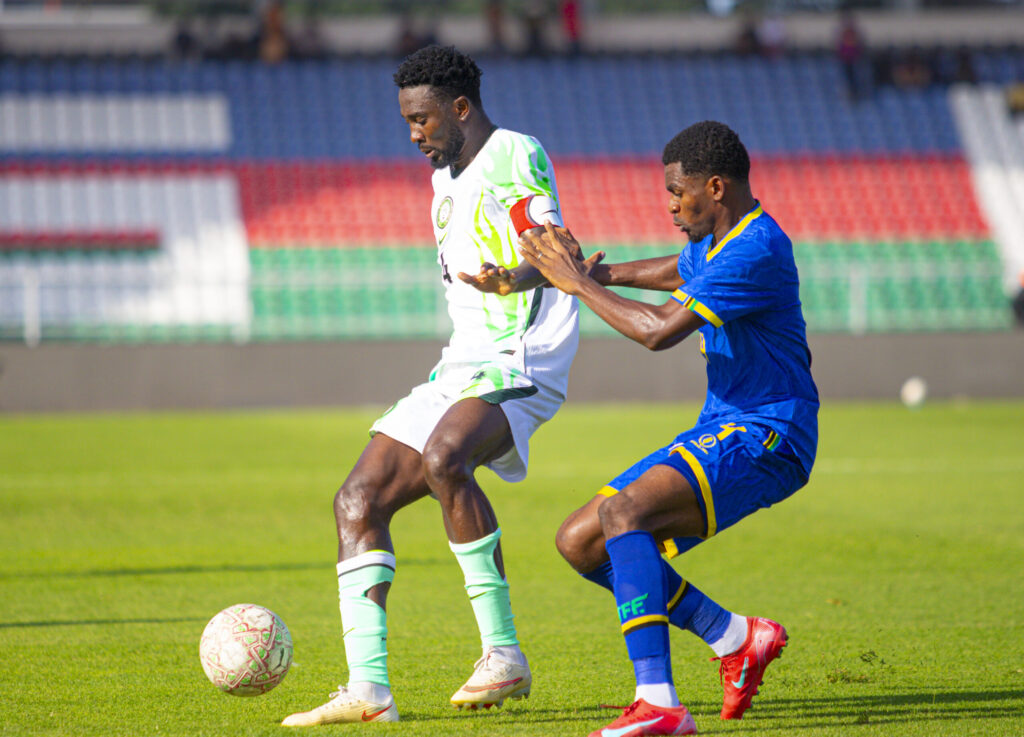
Should the Super Eagles recover and qualify for 2027, the fundamental questions would remain. Why did this group become so difficult? Why has preparation failed to produce consistent performances? What structures ensure that weaknesses identified in one international window are corrected before the next?
Qualification would be welcome. It would not amount to institutional recovery.
Equally, missing the tournament must not produce another brief period of outrage followed by familiar appointments, familiar promises and familiar outcomes.
The NSC should judge the football system by the quality of its decisions and the sustainability of its performance. A dramatic victory cannot substitute for either.
Make the next AFCON cycle the rebuilding target
The Commission should require the NFF to produce a national-team rebuilding programme directed at the AFCON edition following 2027.
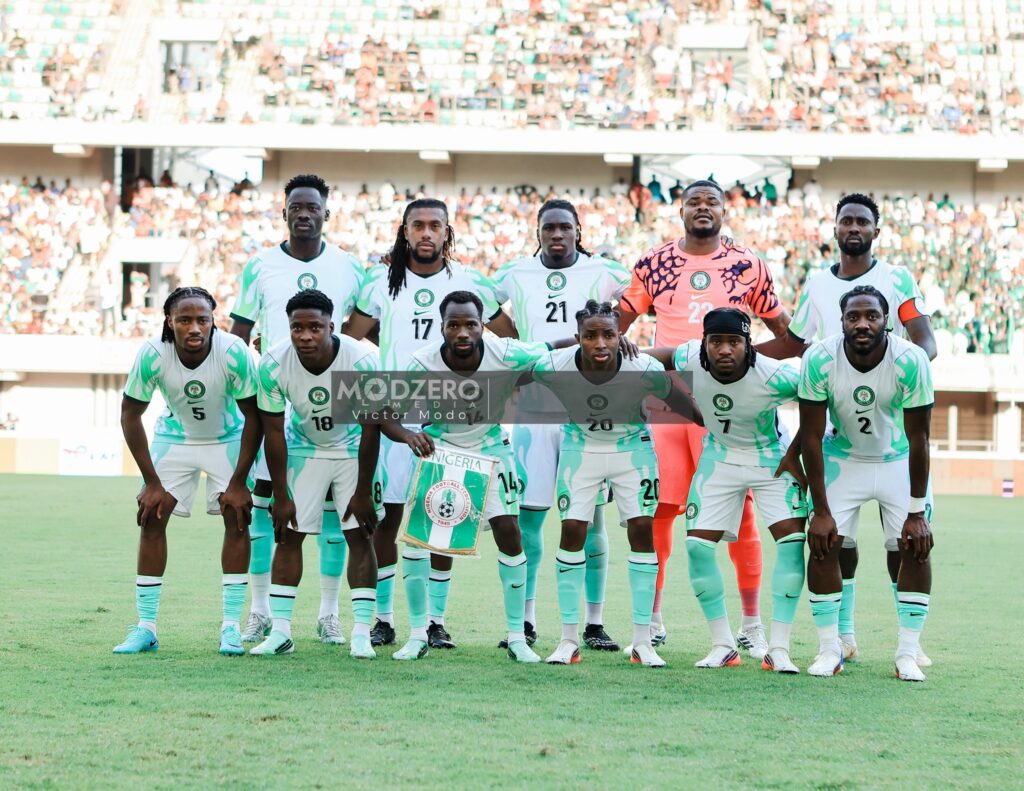
The target should be a Super Eagles side with a recognisable playing identity, genuine competition for positions and sufficient depth to cope with injuries, suspensions and changes in form.
This requires an immediate assessment of the squad. Which players can form the core of the next cycle? Which positions lack credible alternatives? Where is experience still essential, and where should succession begin?
An outright reset does not require the indiscriminate removal of senior players. Replacing experience with youth without a football rationale would simply create a different problem.
Every player should instead be assessed against fitness, performance, tactical suitability and likely contribution across the coming cycle. Established names must earn their places. Emerging players must receive opportunities because they are ready.
Choose a coach to build a team
The coaching question must be resolved through a serious technical assessment.
If the current coach has the competence and a credible plan to lead the rebuild, the football authorities should explain that decision and provide the support required. If he does not, a replacement should be appointed through a transparent process built around the job Nigeria actually need done.
That job extends beyond surviving the next fixture.
The coach must be capable of establishing an effective playing structure, integrating new players, adapting to different opponents and working closely with the federation’s technical department.
The appointment should carry milestones covering competitive results, squad development, tactical progress and the quality of preparation. Reviews should be scheduled in advance.
Nigeria cannot keep demanding long-term success from arrangements governed by short-term anxiety.
Build the support system around the coach
No coaching appointment will repair a poorly organised national-team operation on its own.
The Super Eagles need reliable opposition analysis, coordinated medical and performance support, systematic player monitoring and clear operational leadership.
The NSC should require a costed plan for these functions, with named responsibilities and delivery deadlines. Travel, recovery, training facilities and financial commitments should be organised early enough to support performance.
A permanent scouting and player database should connect senior-team needs with credible options from the domestic league, overseas clubs and the youth national teams. Selection should emerge from continuous assessment.
Friendlies should also serve a defined purpose. Nigeria should use them to test combinations, develop alternatives and rehearse solutions against different tactical approaches. Their value should be measured by what the team learns.
Make the football pathway function again
A rebuilt Super Eagles team cannot stand permanently apart from the football beneath it.
The federation needs a clearer connection between youth development, the domestic game and senior international football. Promising players should be tracked across age groups, with records that allow successive coaches to understand their development.
The domestic league must become a credible source of players through stronger competition, coaching and performance assessment. Home-based players should have an evidence-based route into the national team, without quotas or ceremonial invitations.
The technical department should provide continuity across coaching changes. It should preserve scouting knowledge, review performances and maintain development priorities.
Without that institutional memory, every new coach begins a supposedly fresh project while the same gaps remain.
Use normalisation to change how football is run
The administrative transition presents an opportunity to establish stronger foundations. FIFA’s approval of an NFF normalisation committee provides a formal framework for the current process.
The NSC should work with the authorised football leadership, FIFA and CAF to ensure that reform produces clear responsibilities, transparent financial controls and accountable technical decision-making.
The process must deliver more than an election and a new set of officeholders.
National-team budgets should be tied to agreed programmes. Technical appointments should follow defined criteria. Performance reviews should lead to documented decisions. Public reporting should explain progress without exposing confidential sporting information.
The Commission must also resist becoming an alternative technical bench. Its role is to secure standards, resources and accountability, while qualified football professionals make and answer for football decisions.
Rebuild before the next emergency
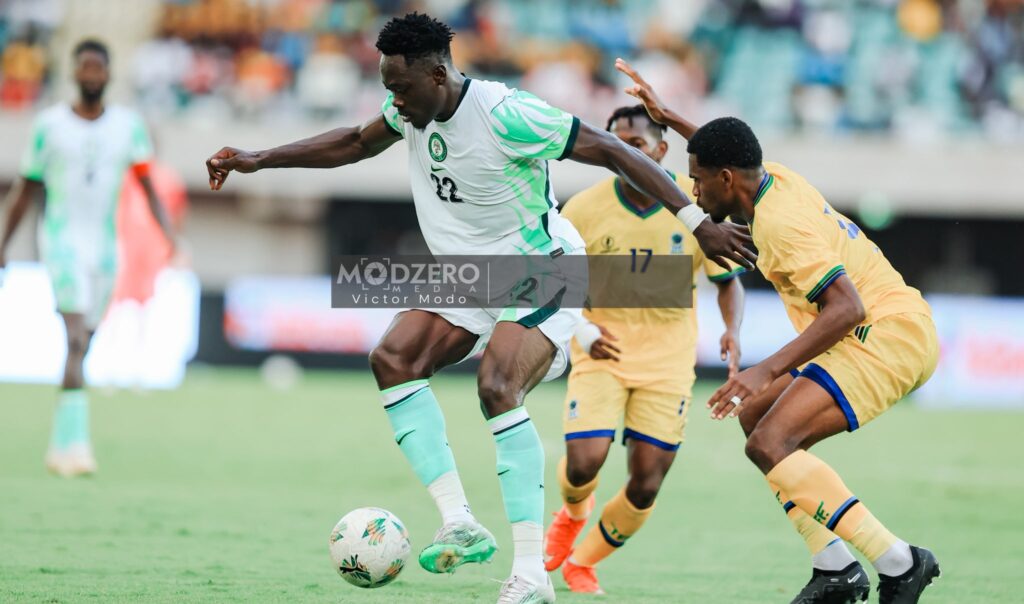
The present campaign has reached a point where optimism needs more evidence than Nigeria have supplied.
My expectation is that the Super Eagles will miss AFCON 2027. If they overturn that verdict on the pitch, Nigerians will welcome it. The rebuilding programme should proceed regardless.
Failure to qualify would be painful. Allowing that failure to produce no lasting change would be far more damaging.
The NSC must use this moment to establish a new football cycle: a properly selected coach, a renewed squad, a functioning development pathway and an administration capable of supporting them.
By the AFCON edition after 2027, Nigeria should arrive with a team built through deliberate work.
That work must begin before this campaign ends.
© Bold Sports Media. All rights reserved. If sharing, kindly credit Bold Sports as the source and include a link to the original post. Unauthorised use is prohibited.