


Nigeria has until October 23 to turn its interest in hosting the 2030 World Athletics U-20 Championships into a detailed proposal.
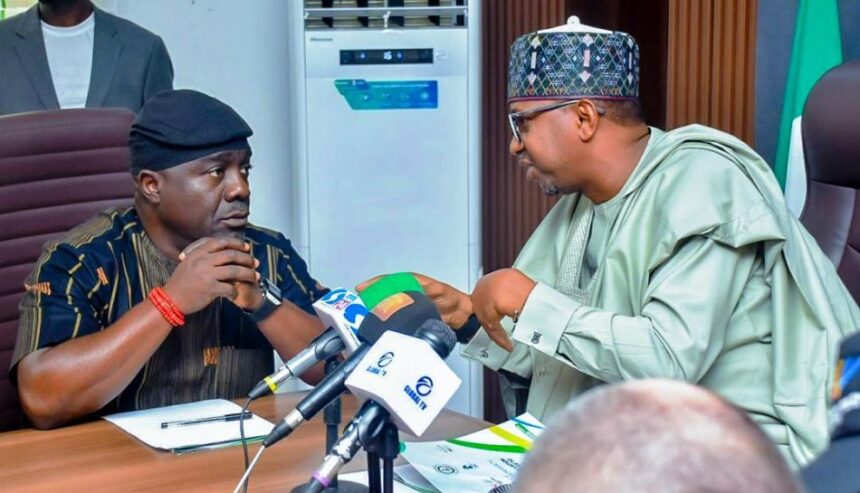
National Sports Commission Director General Bukola Olopade opened discussions with World Athletics officials during the Ultimate Championship in Budapest. According to the NSC, Nigeria believes its investment in infrastructure, athlete development and event management has prepared the country to take on a major global competition.
The strongest evidence it can present is the 2025 African U-18 and U-20 Championships in Abeokuta. Nigeria accepted the competition at short notice after it was moved from Algeria, with 937 athletes and officials from 43 countries attending.
Abeokuta gave local organisers valuable experience in accreditation, accommodation, transport, competition management and international-team services. It showed that Nigeria could stage a continental age-group championship despite the short preparation period.
More Read






The World U-20 Championships would be a much larger operation. World Athletics’ bid information indicates that the competition can attract about 1,350 athletes from more than 130 federations, alongside coaches, officials, media personnel and other accredited participants.
The first unanswered question is where the competition would be held. The NSC has not publicly identified a host city or stadium, and a serious bid must go beyond promising that suitable facilities will be available.
Just this week, Nairobi, Kenya won the bid to host the 2029 World Athletics Championships, as the the fast African nation to do so, defeating London to the bid. This came after they had succesfully hosted the 2021 World Athletics U-20 Championships, also as the first African nation.
To acchive this similar feat, Nigeria will need a certified competition stadium, a warm-up track and appropriate facilities for throws, athlete preparation, training, medical services and anti-doping operations. The bid must explain what already exists, what requires renovation, how much the work will cost and when it will be completed.
That level of detail matters because Nigeria has a long history of announcing sports-infrastructure projects without providing clear completion and maintenance plans. World Athletics will expect firm guarantees rather than another promise that everything will be ready before the opening ceremony.
The demands outside the stadium are just as important. Athletes and officials will need suitable accommodation within reasonable travelling distance of the competition and training venues. Transport between airports, hotels and facilities must be reliable, while immigration authorities will need a clear process for participants arriving from more than 100 countries.
Nigeria has repeatedly seen its own athletes affected by visa and travel problems. A country seeking to host a global competition must demonstrate that visiting delegations will not encounter similar uncertainty.
Financing is another area requiring clarity. Hosting costs will extend beyond stadium renovation to timing systems, security, medical services, accommodation, transport, event presentation, broadcast facilities, technology, volunteer training and anti-doping operations.
The NSC must explain what guarantees the Federal Government will provide, whether a state government will participate and how much private-sector support is expected. Projections for sponsorship, ticketing, tourism and hospitality should also be realistic rather than included simply to make the event appear financially attractive.
The case for hosting should ultimately extend beyond the competition itself. Nigeria needs to show how the event would improve facilities, develop officials, strengthen event-management capacity and create better opportunities for young athletes after 2030.
A renovated stadium that is neglected once the athletes leave is not a legacy. Neither is an expensive international event that makes little difference to the people who train and compete in Nigeria.
The country has a strong athletics tradition, a large sporting audience and recent experience from Abeokuta. Those are useful foundations, but they do not amount to a complete bid.
Before the October 23 deadline, the NSC should identify the proposed host city, outline the financial commitment and explain what facilities and organisational structures will be required. The conversation in Budapest opened the process; the quality of the plan produced afterwards will determine whether Nigeria is genuinely ready to host the world.
© Bold Sports Media. All rights reserved. If sharing, kindly credit Bold Sports as the source and include a link to the original post. Unauthorised use is prohibited.